Passage to Belhaven, NC #36

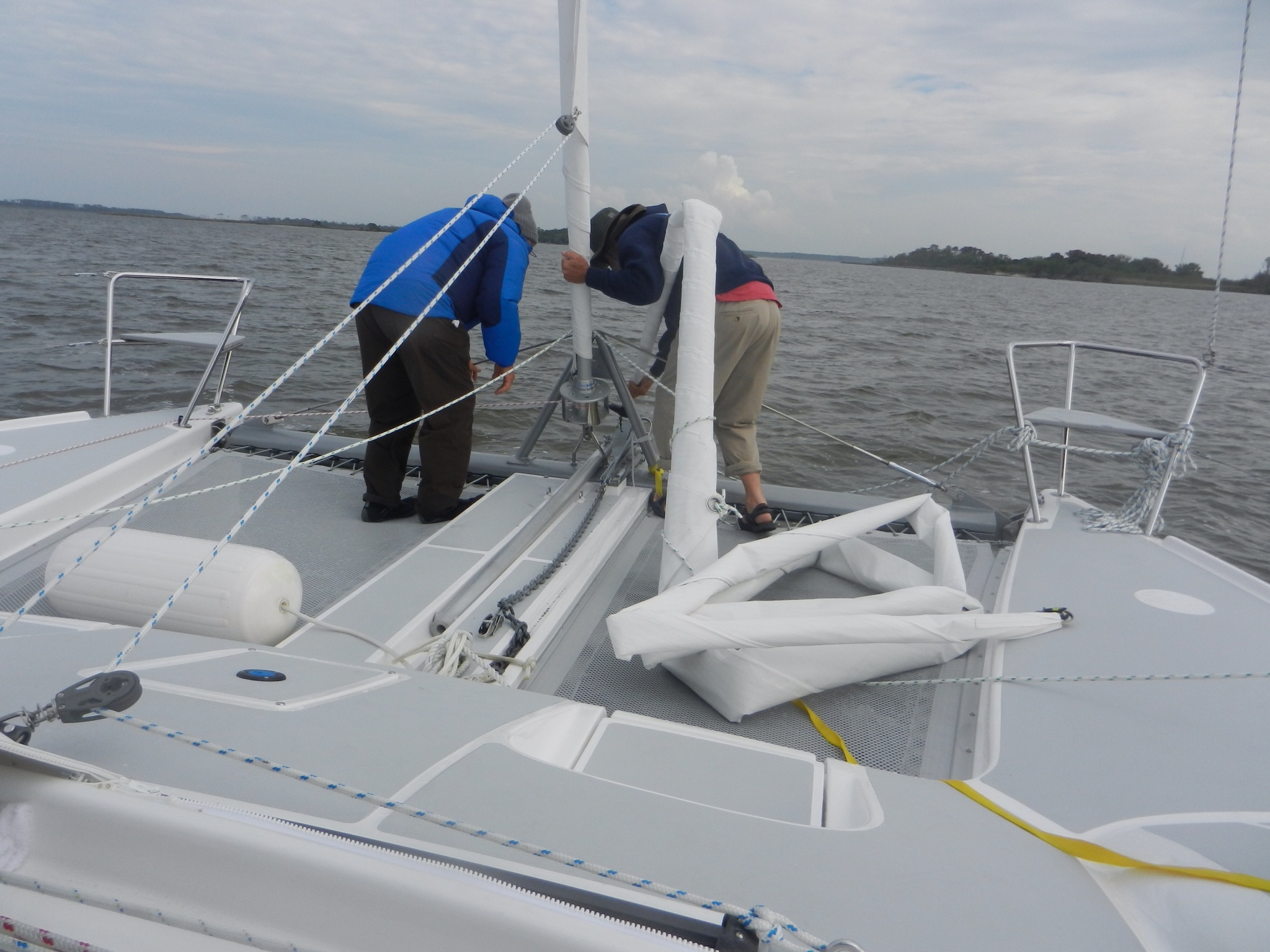
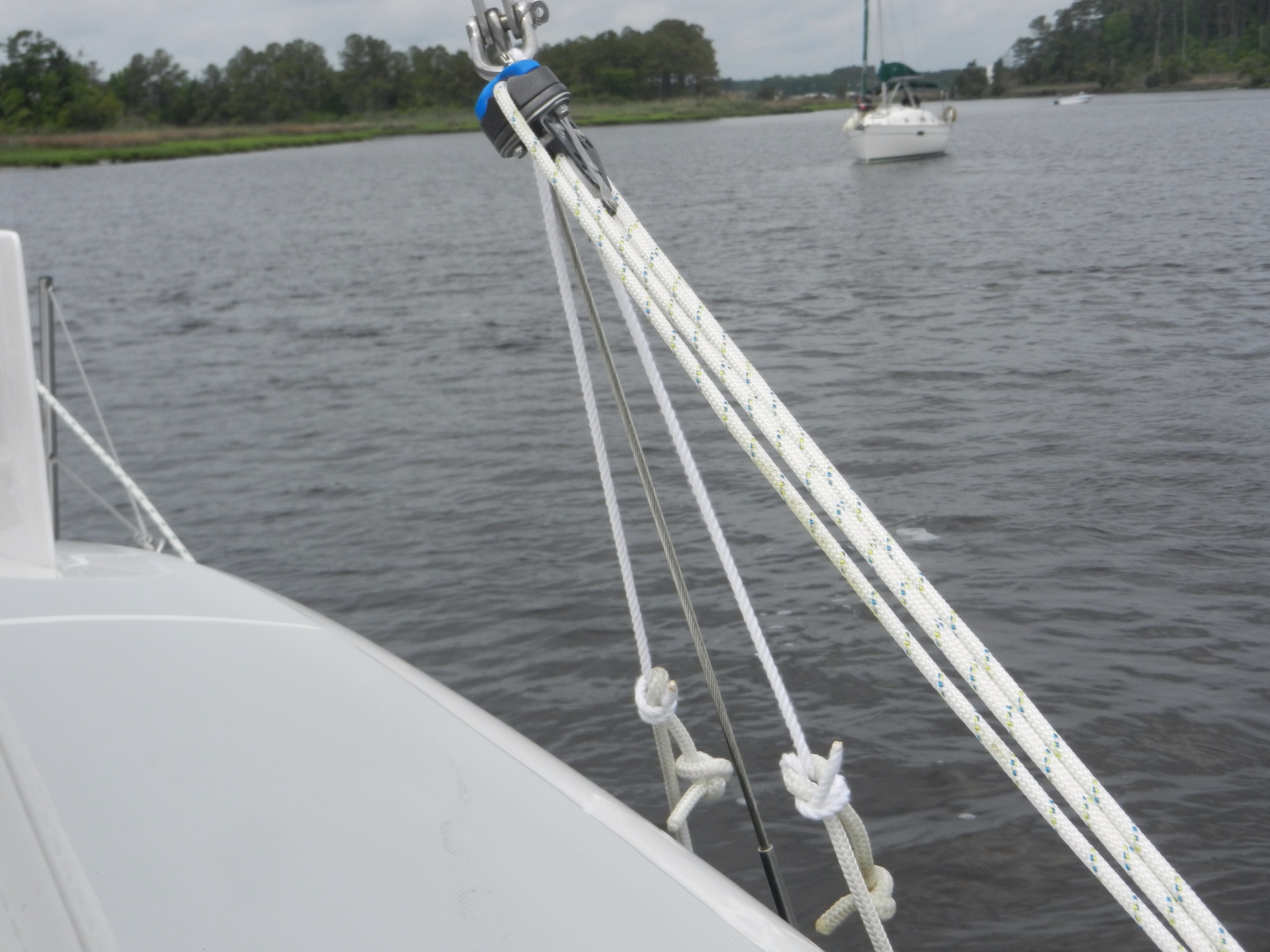
On Monday, May 20, we left Coinjock at 5:30 a.m. We put the screecher and bowsprit back on.

We had oatmeal for breakfast.

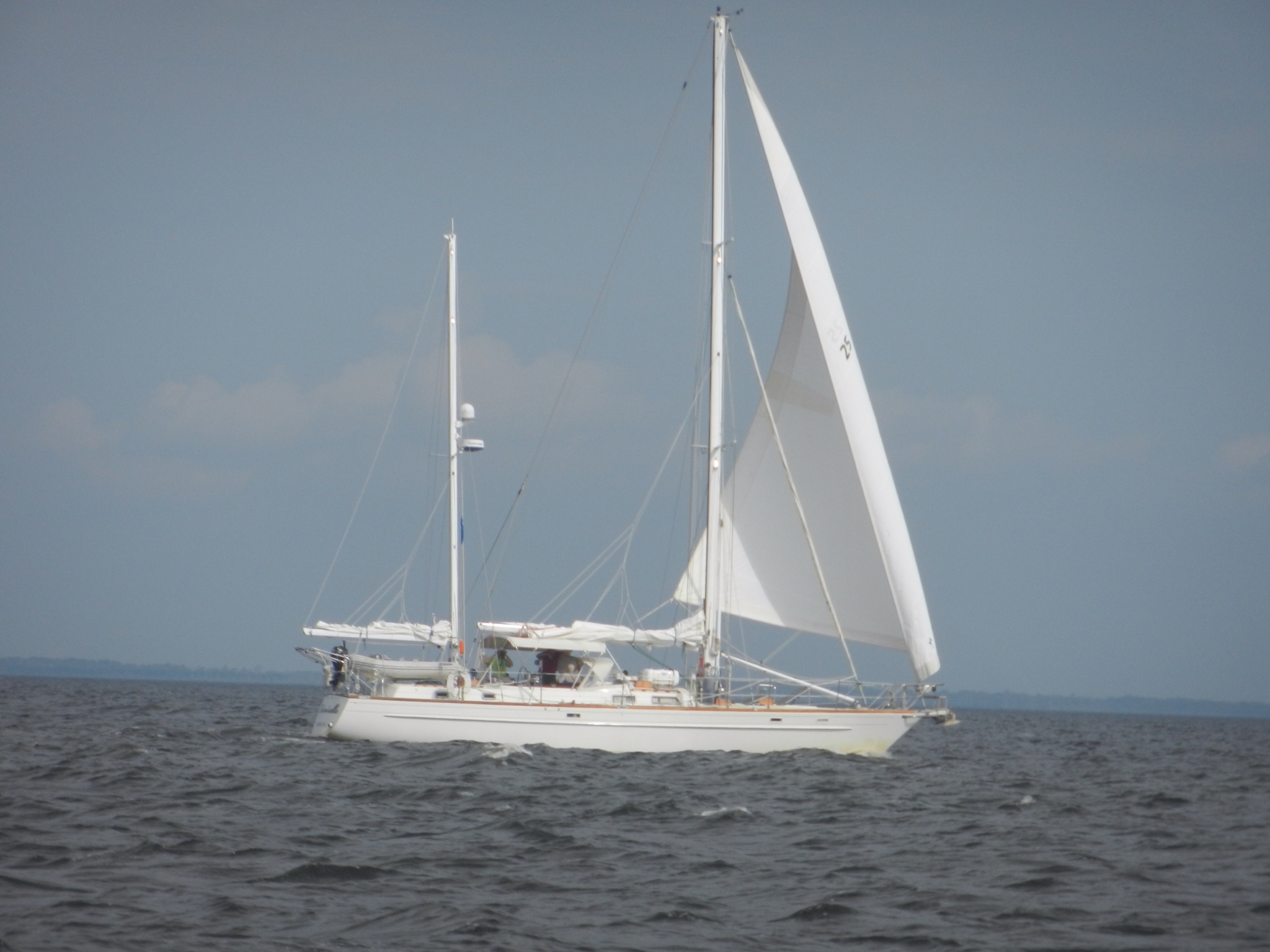
It was a bumpy ride across Albemarle Sound. We saw several sailboats along the way. This one's a ketch which means that it has two masts. The rear mast, called a mizzen mast, is forward of the rudder post and shorter than main mast.
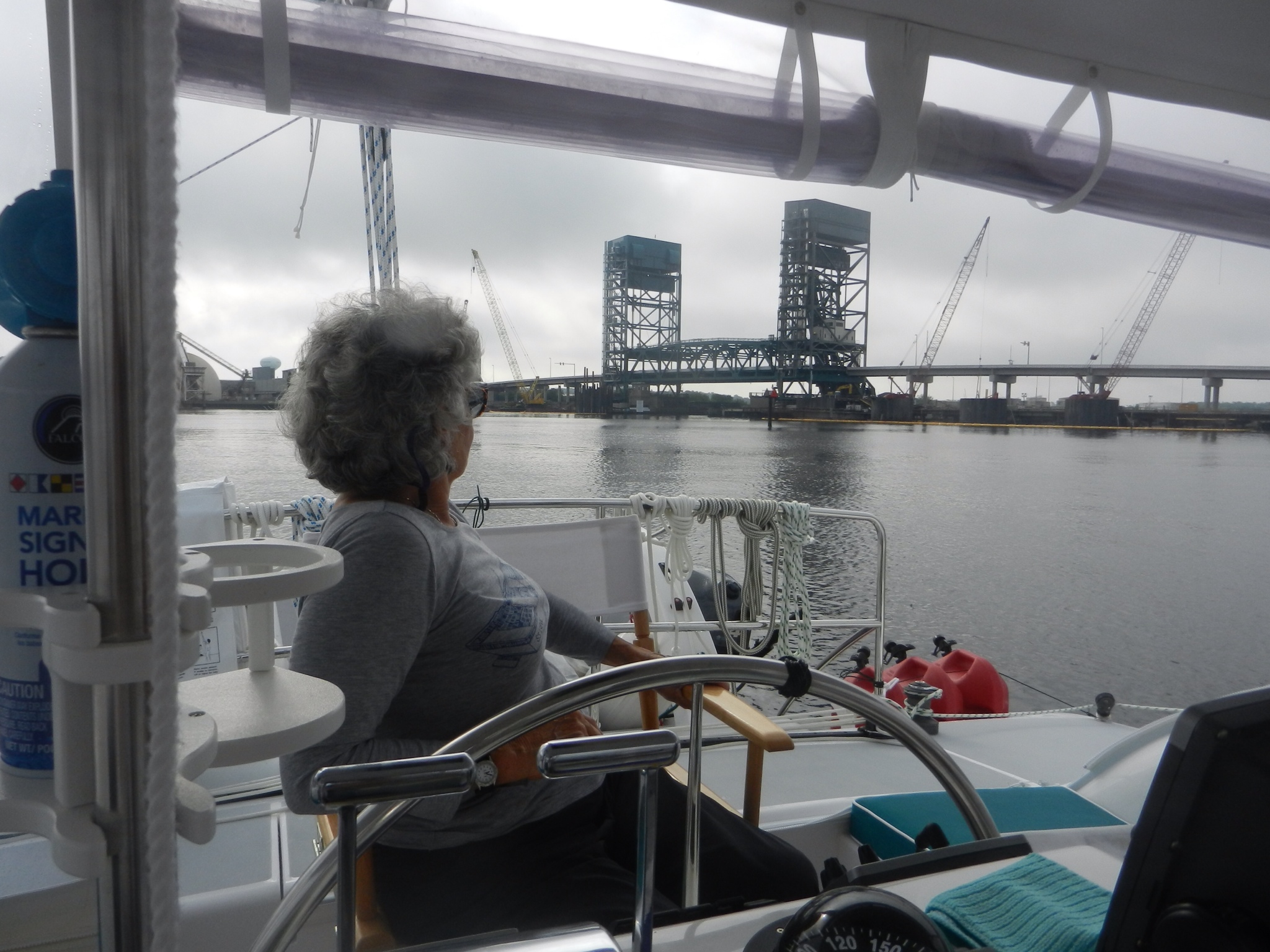
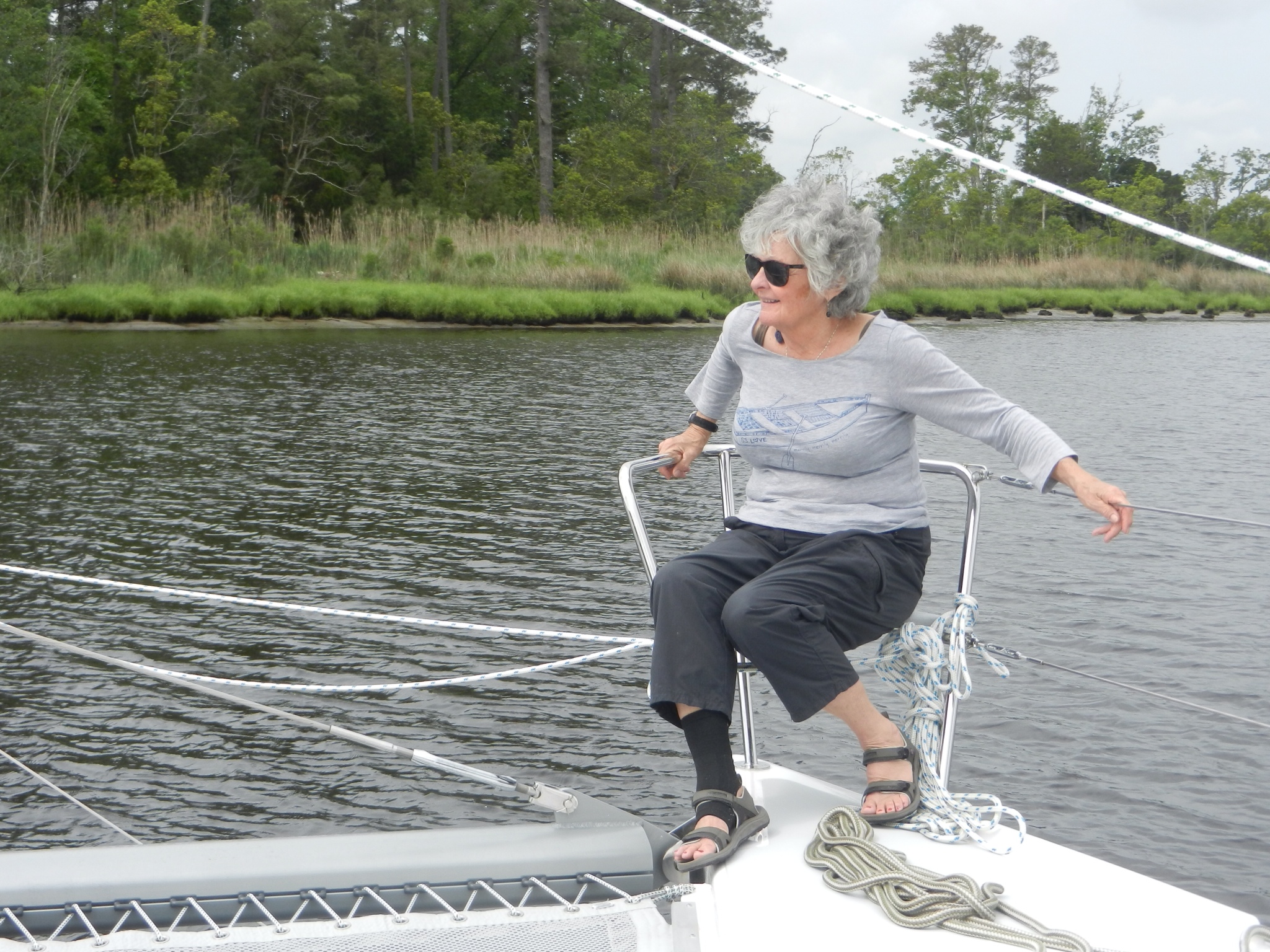
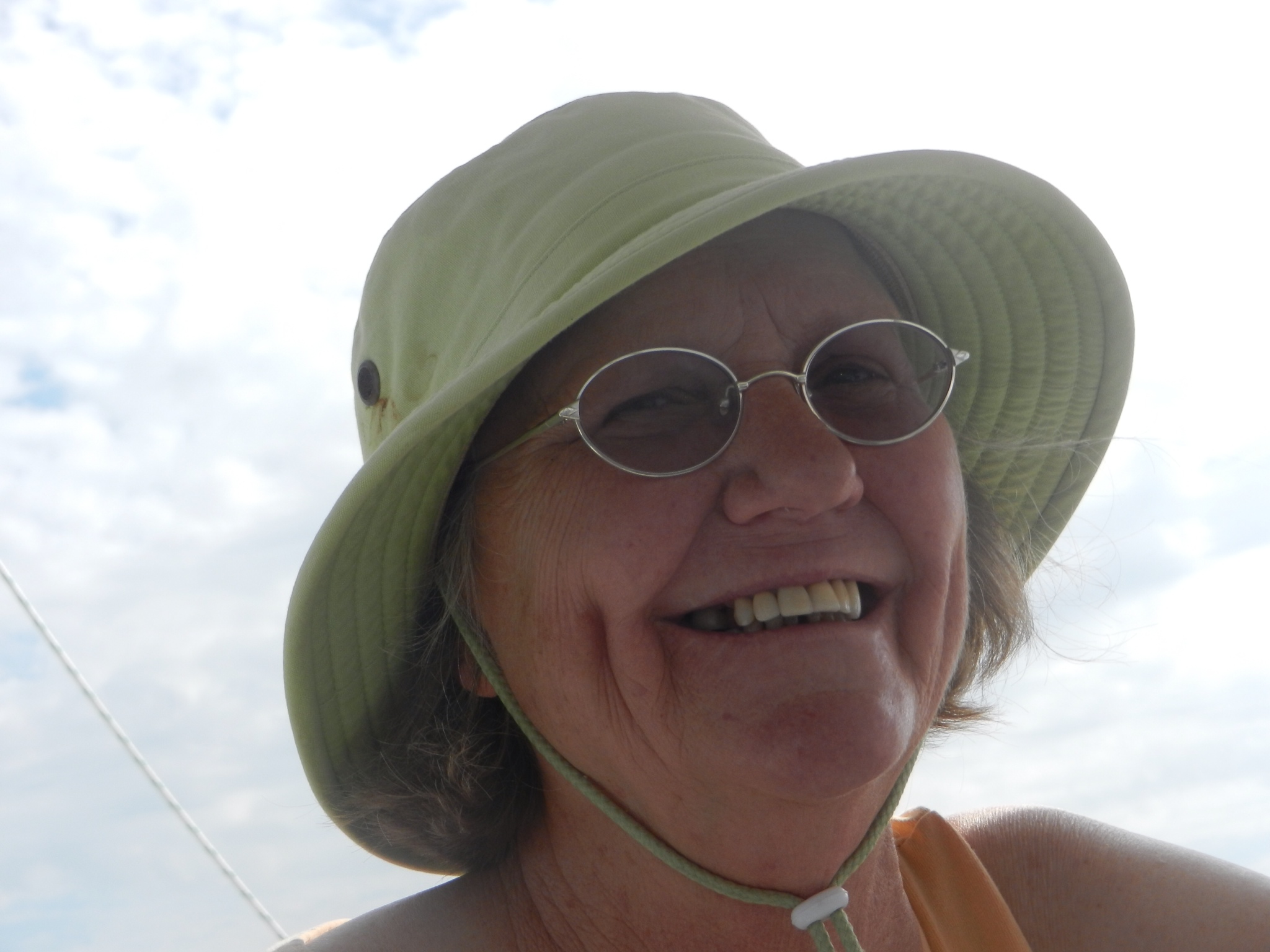
Franci enjoyed a turn at the helm.
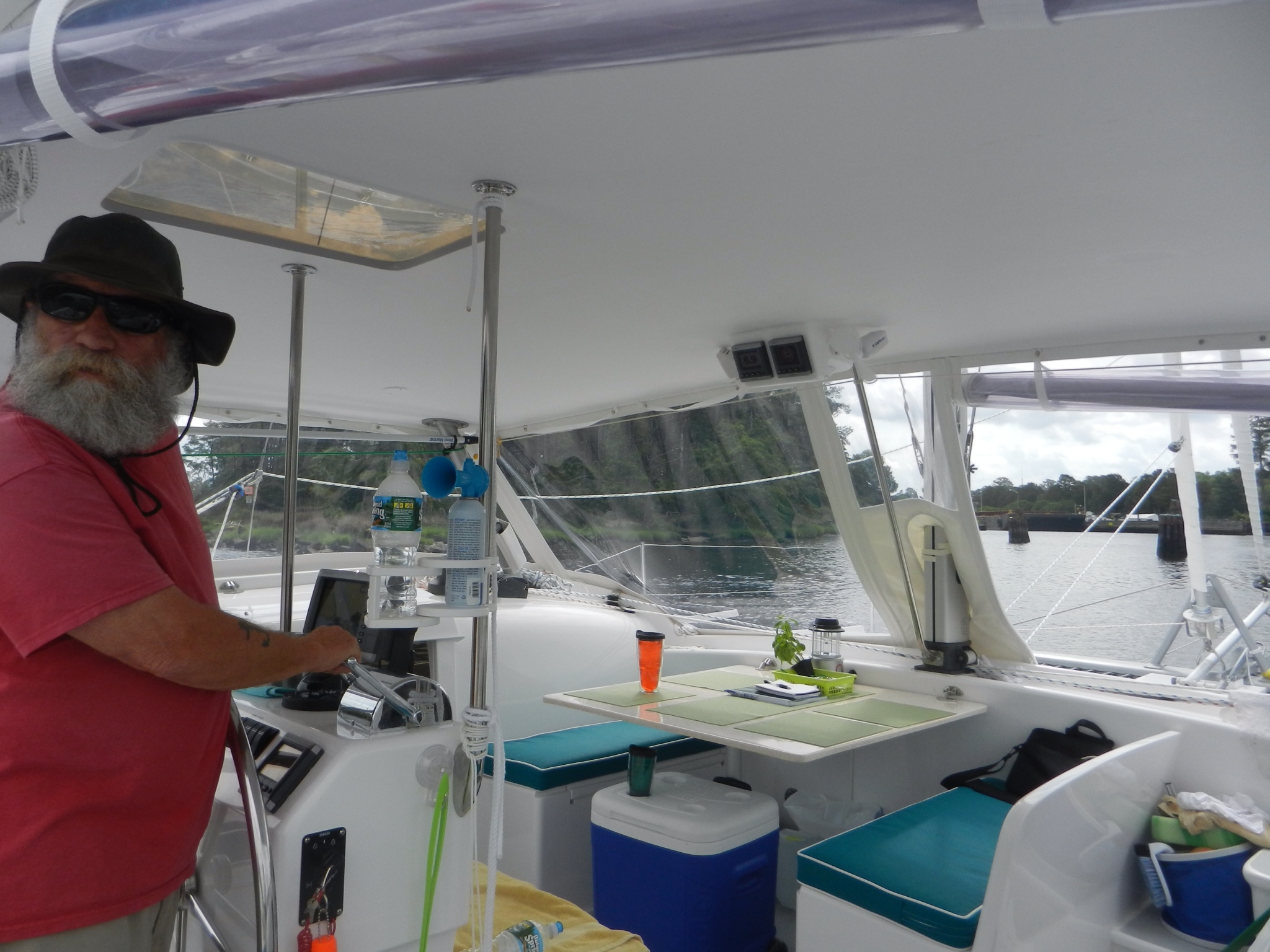
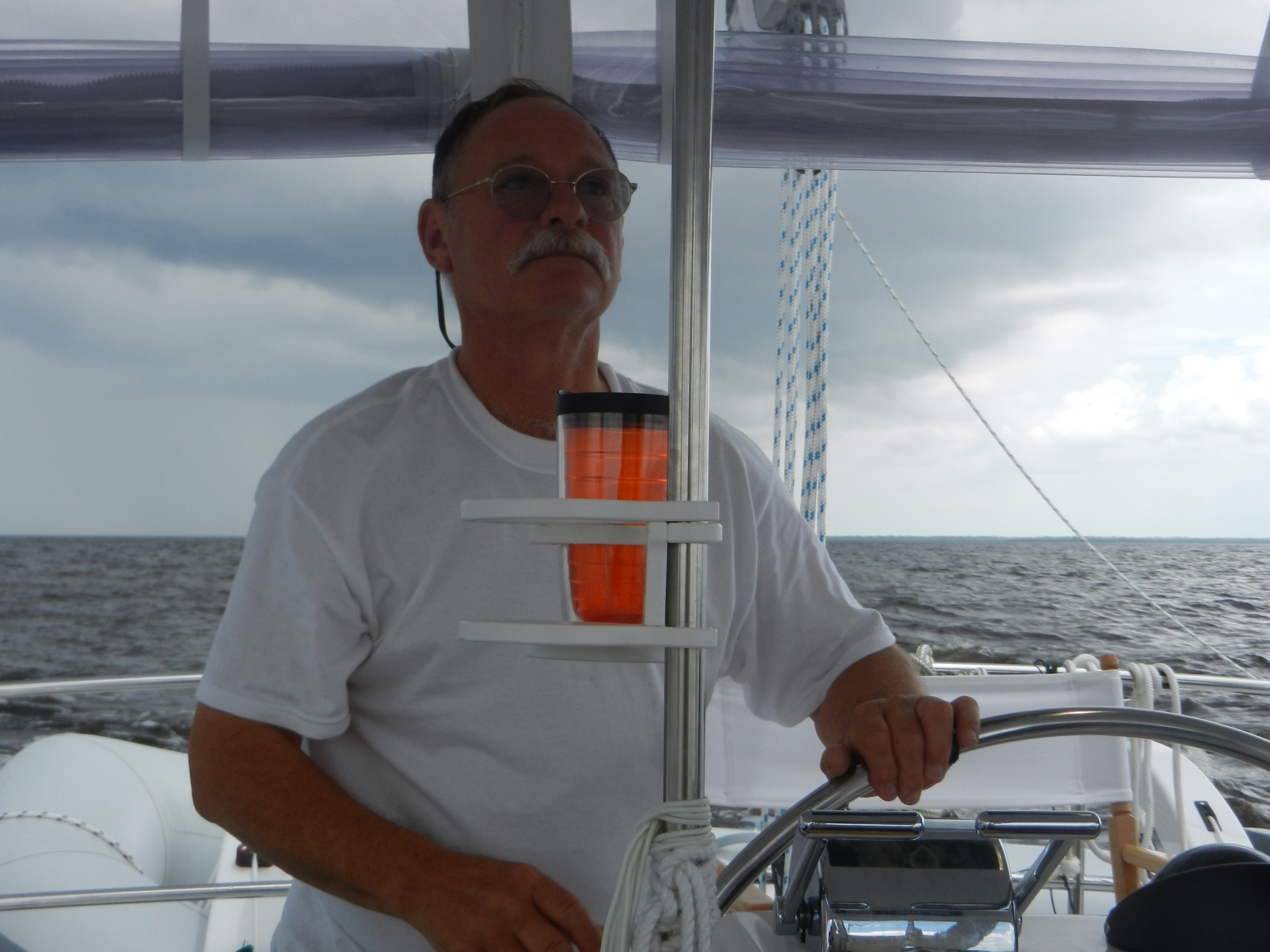
This gave the captain time to catch up on his paperwork.

Stephen took the next turn at the helm and took us to the Alligator Bridge and into the Alligator River.


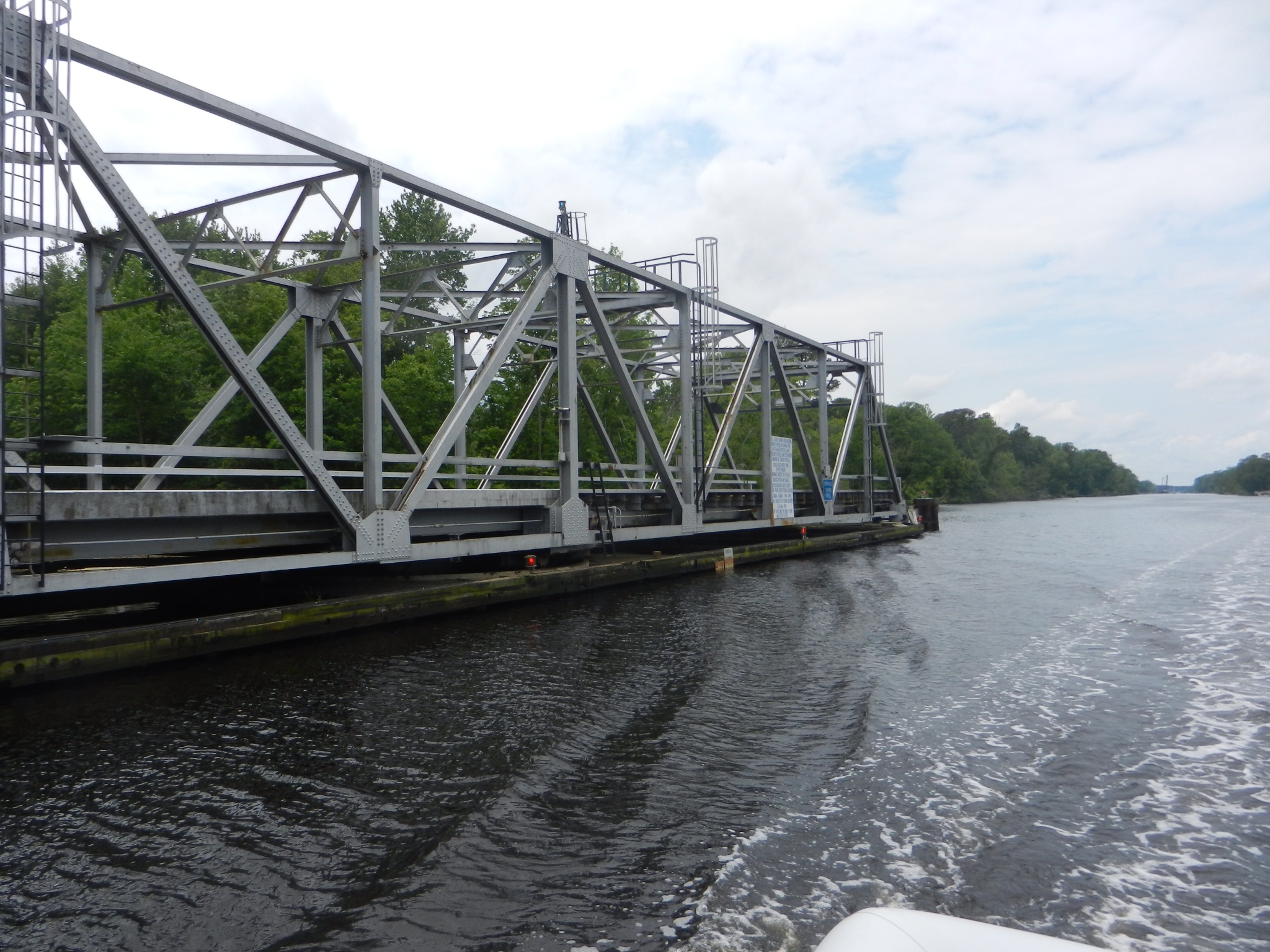
The Alligator Bridge is a swing bridge and it opens for you by request. When the winds are higher than 20 mph they cannot open the bridge at all for anyone because it becomes too difficult to close. After passing through the bridge you call the bridge master again on VHF and say “Thank you”.

Shortly after passing through the bridge there were thunderstorms all around. We put out the lightning strike preventer. We put down the eisenglass, but actually we never got much rain. The storms seemed to be going behind us.

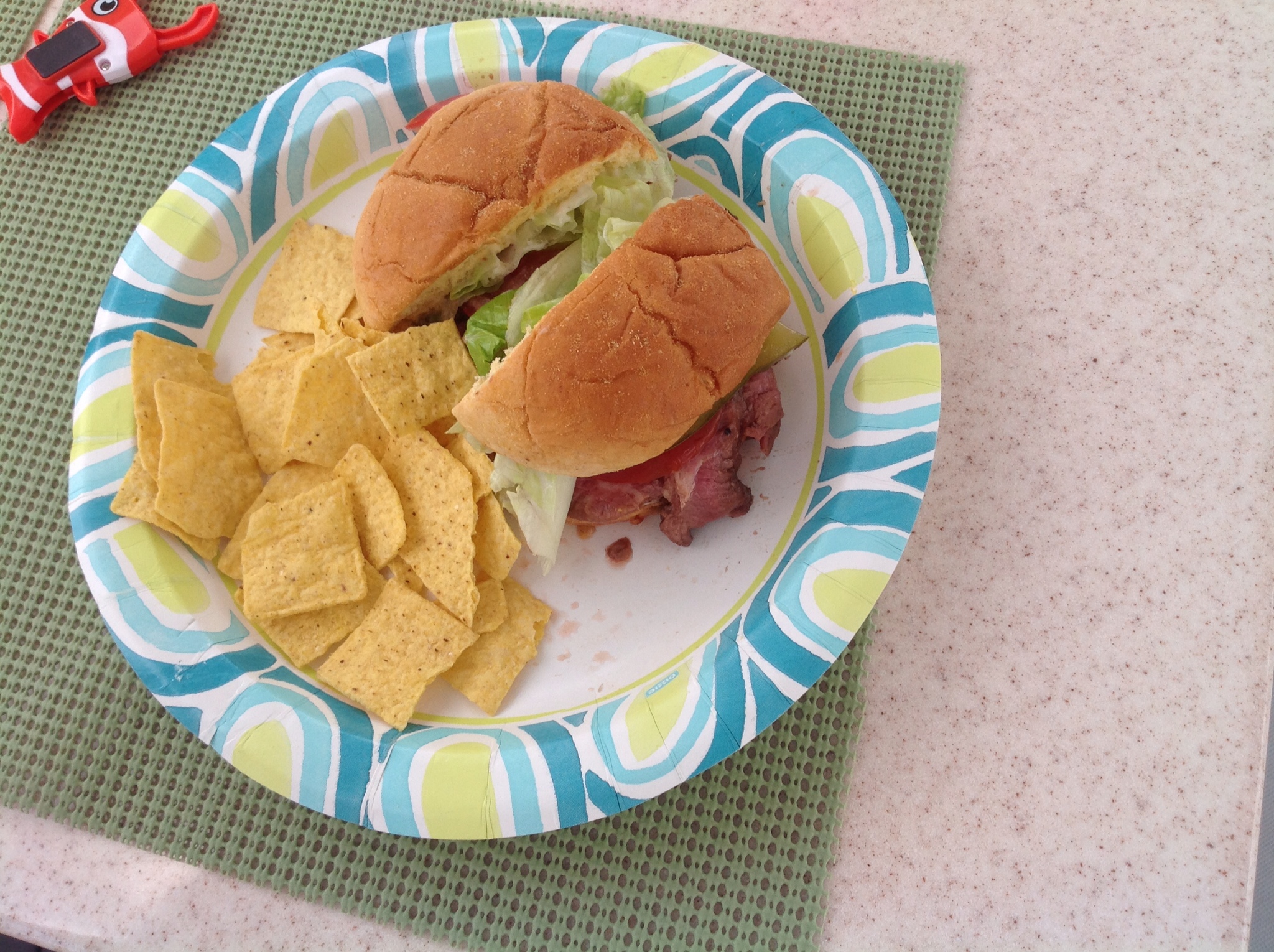
We had prime rib sandwiches for lunch. There was a jet plane buzzing around us making lots of noise. Soon the quiet sound of naps took over. The captain drove on through the Alligator River.

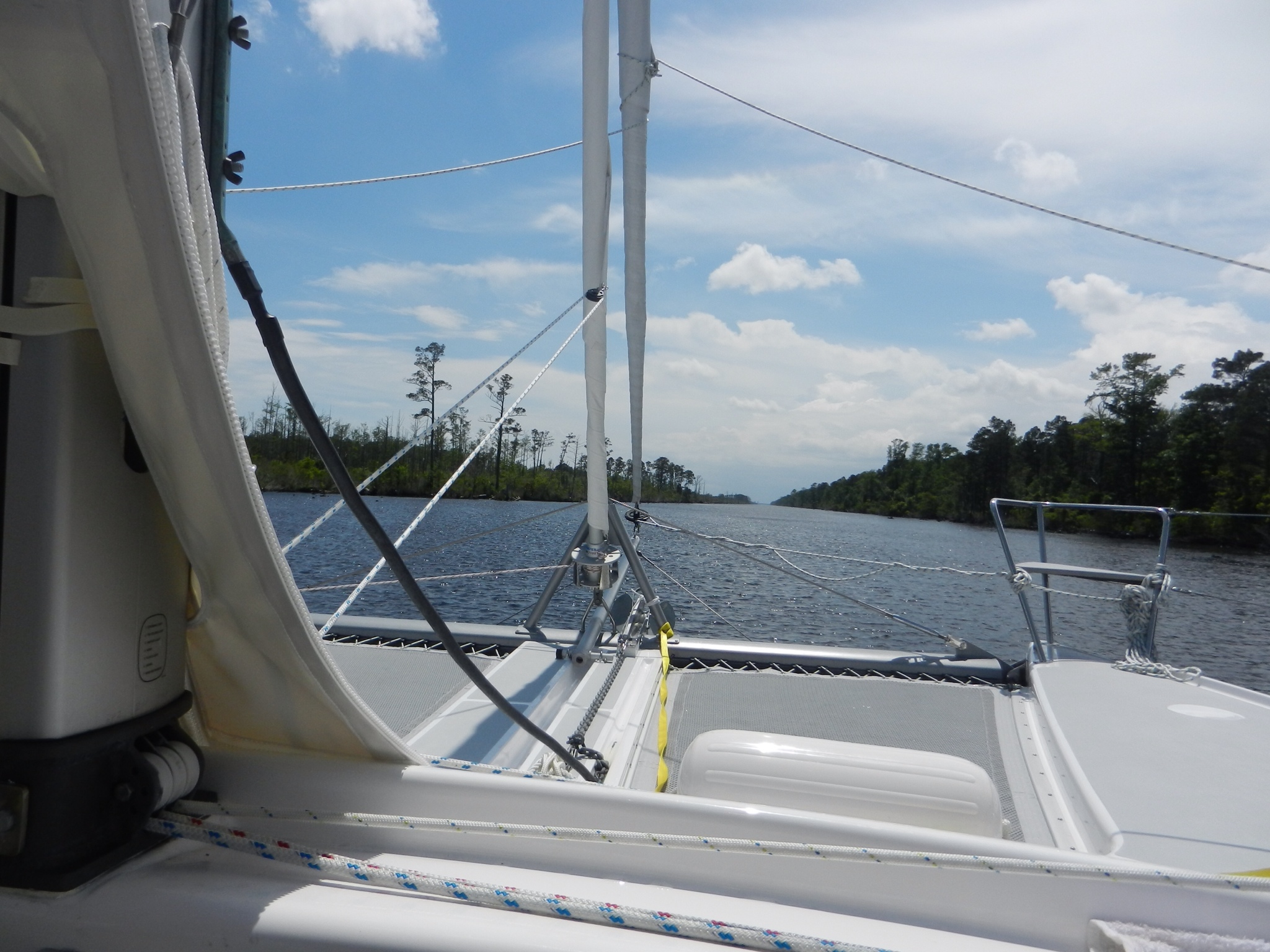
At 2:15 we left the Alligator River behind and headed into the Alligator Canal. The canal connects the Alligator River and the Pongo River. Belhaven, our destination, would be in the Pongo River. We rolled the eisenglass back up. It had warmed up and there were no more thunderstorms in the sky


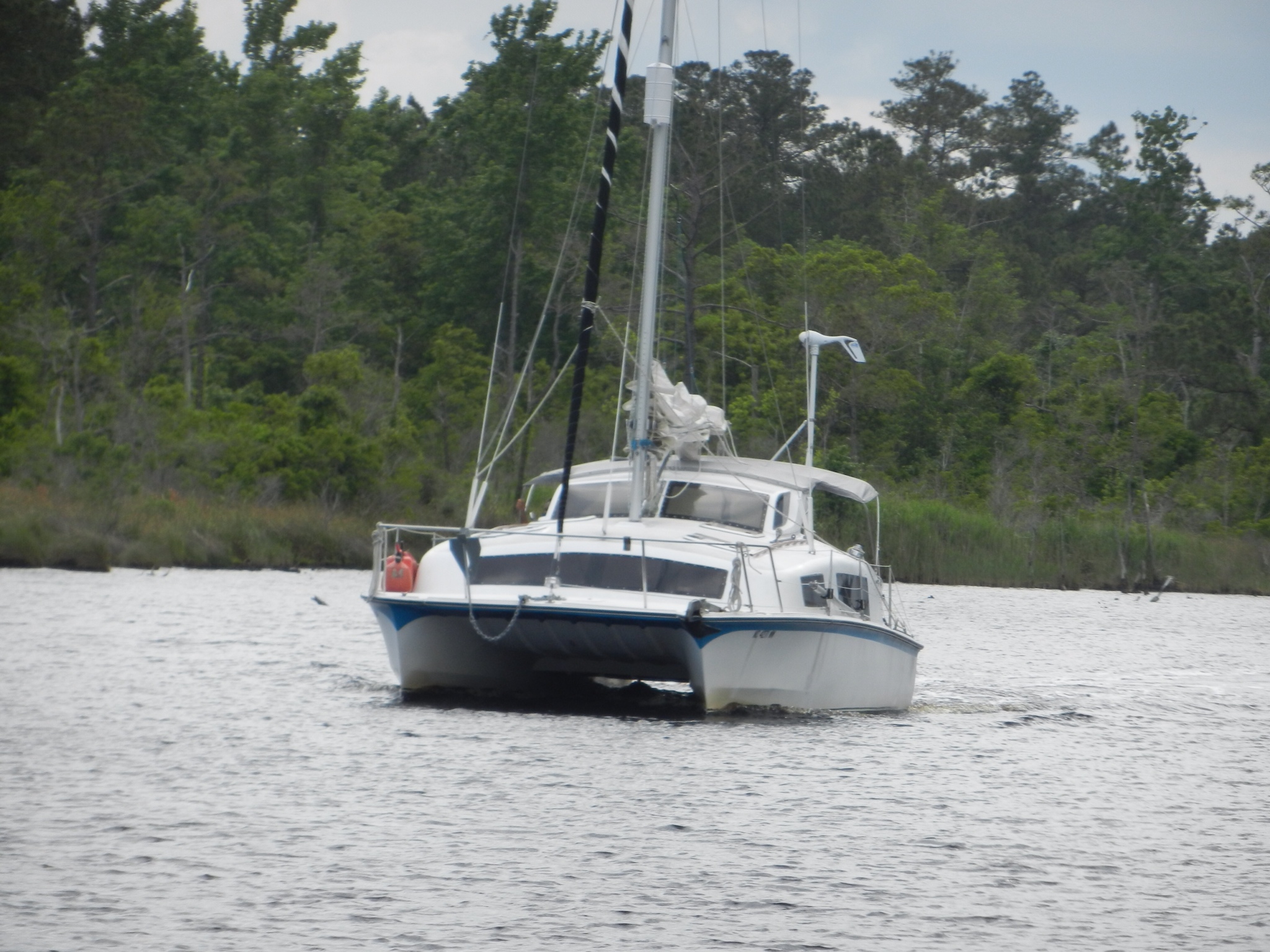
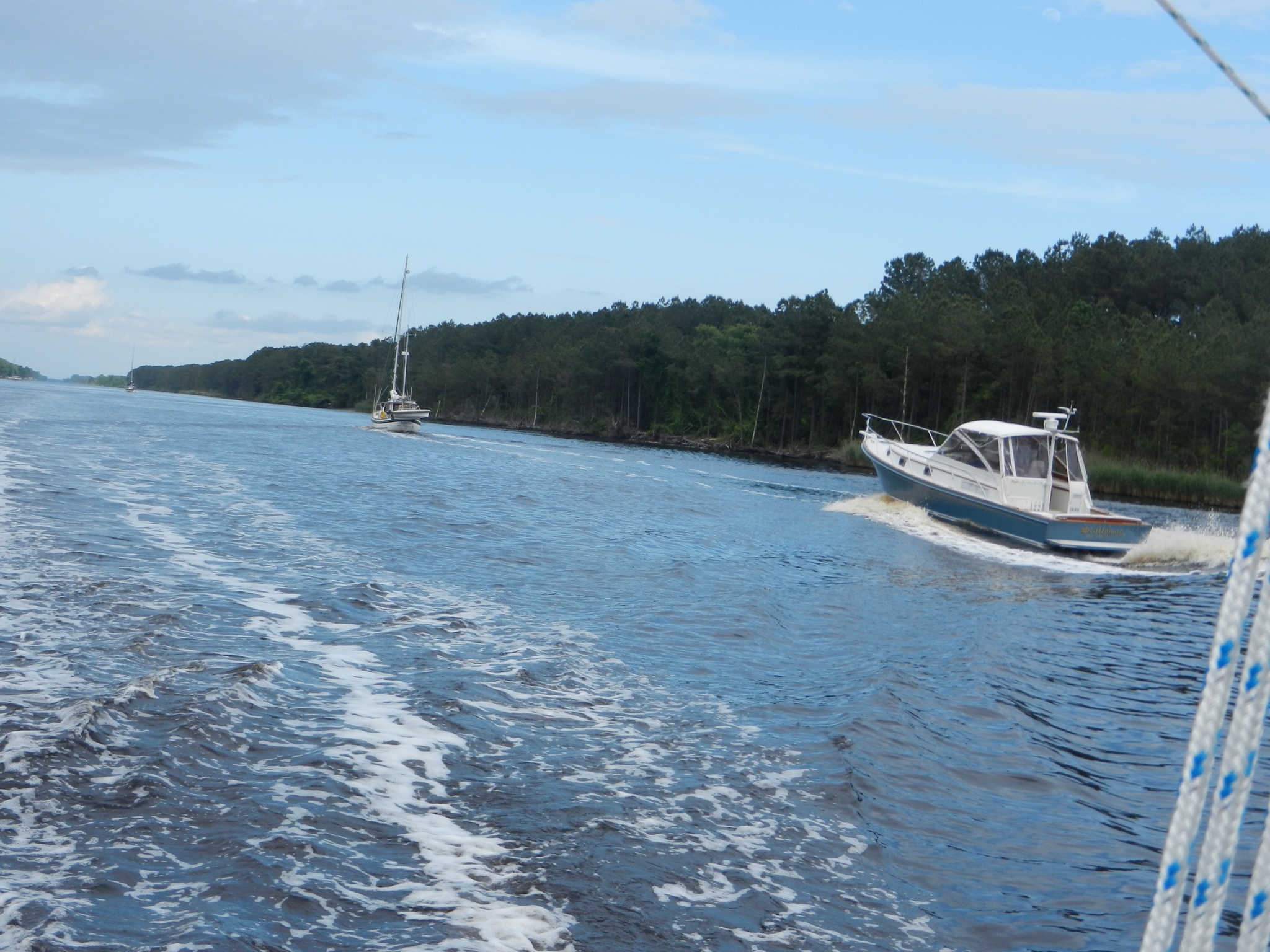
We passed several boats in the canal who were headed north. This one is called a Gemini.

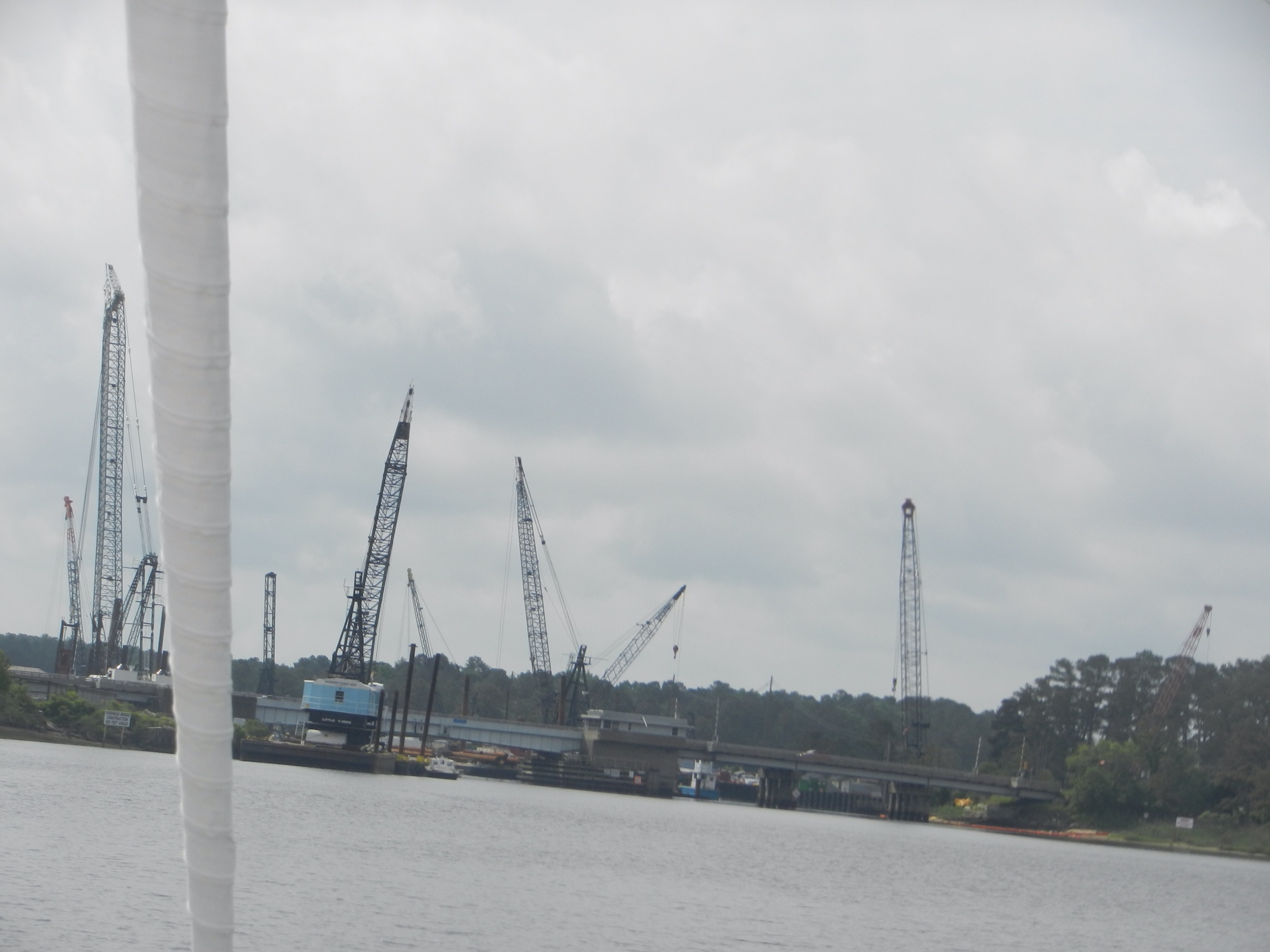
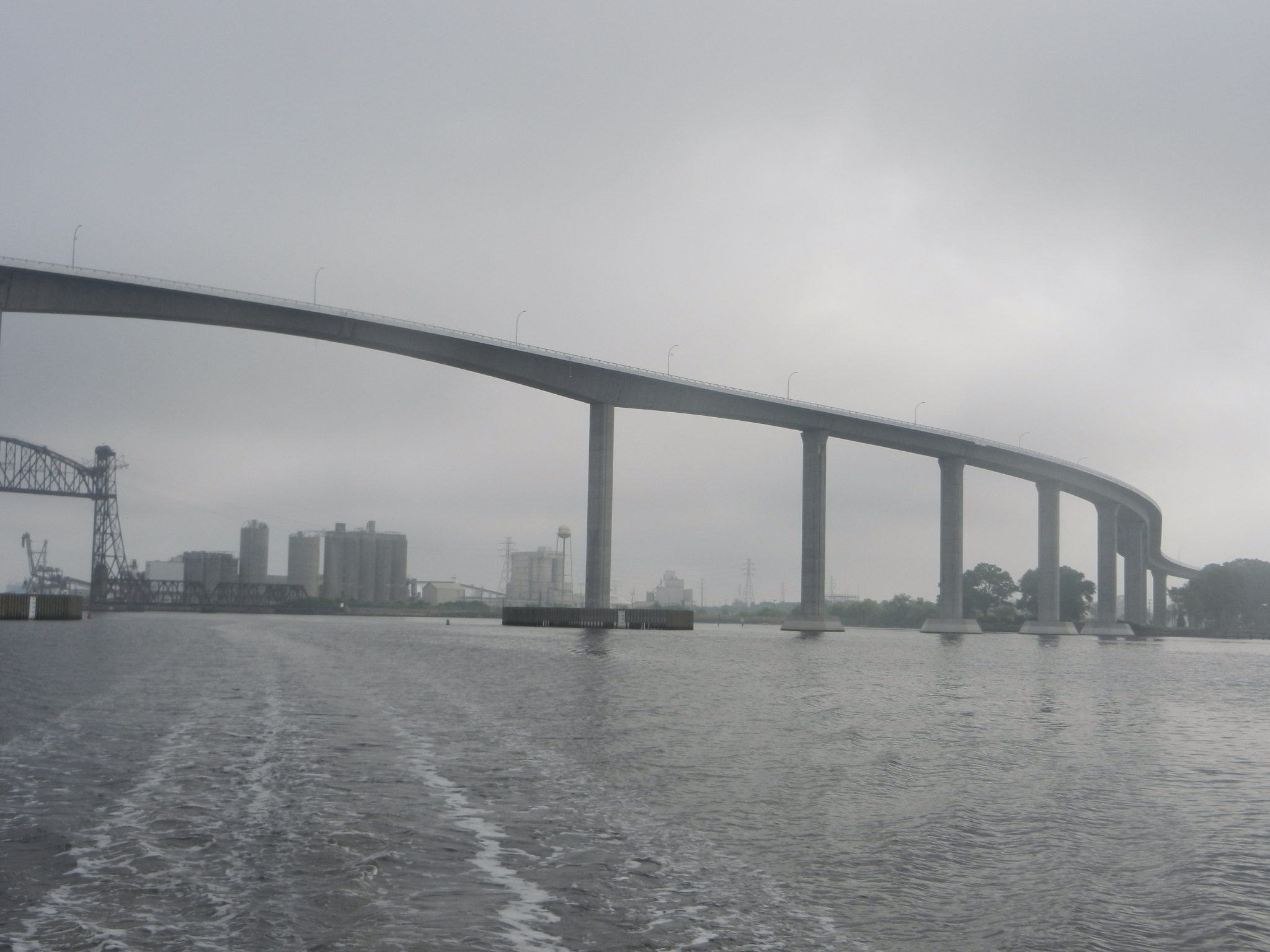
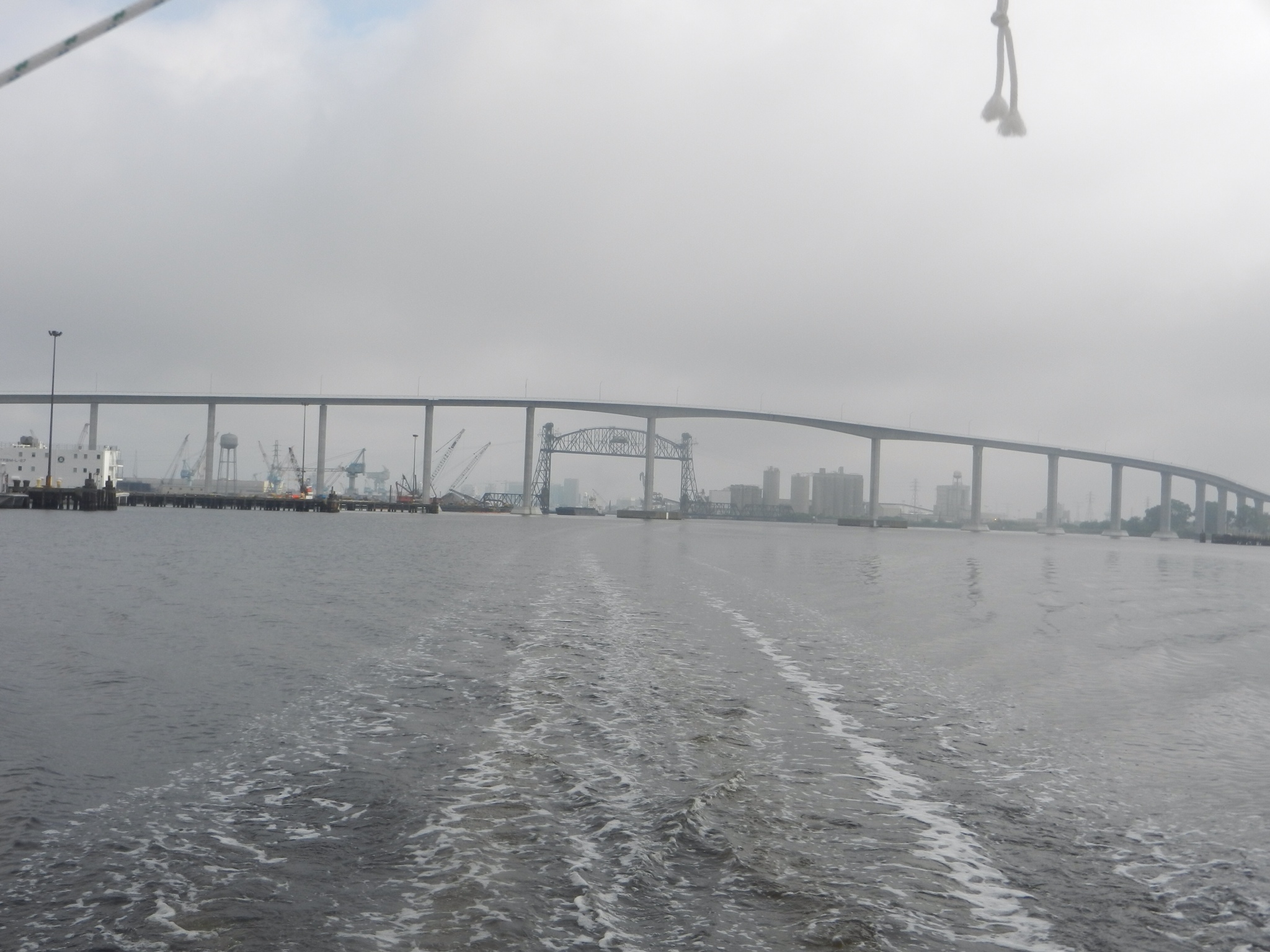
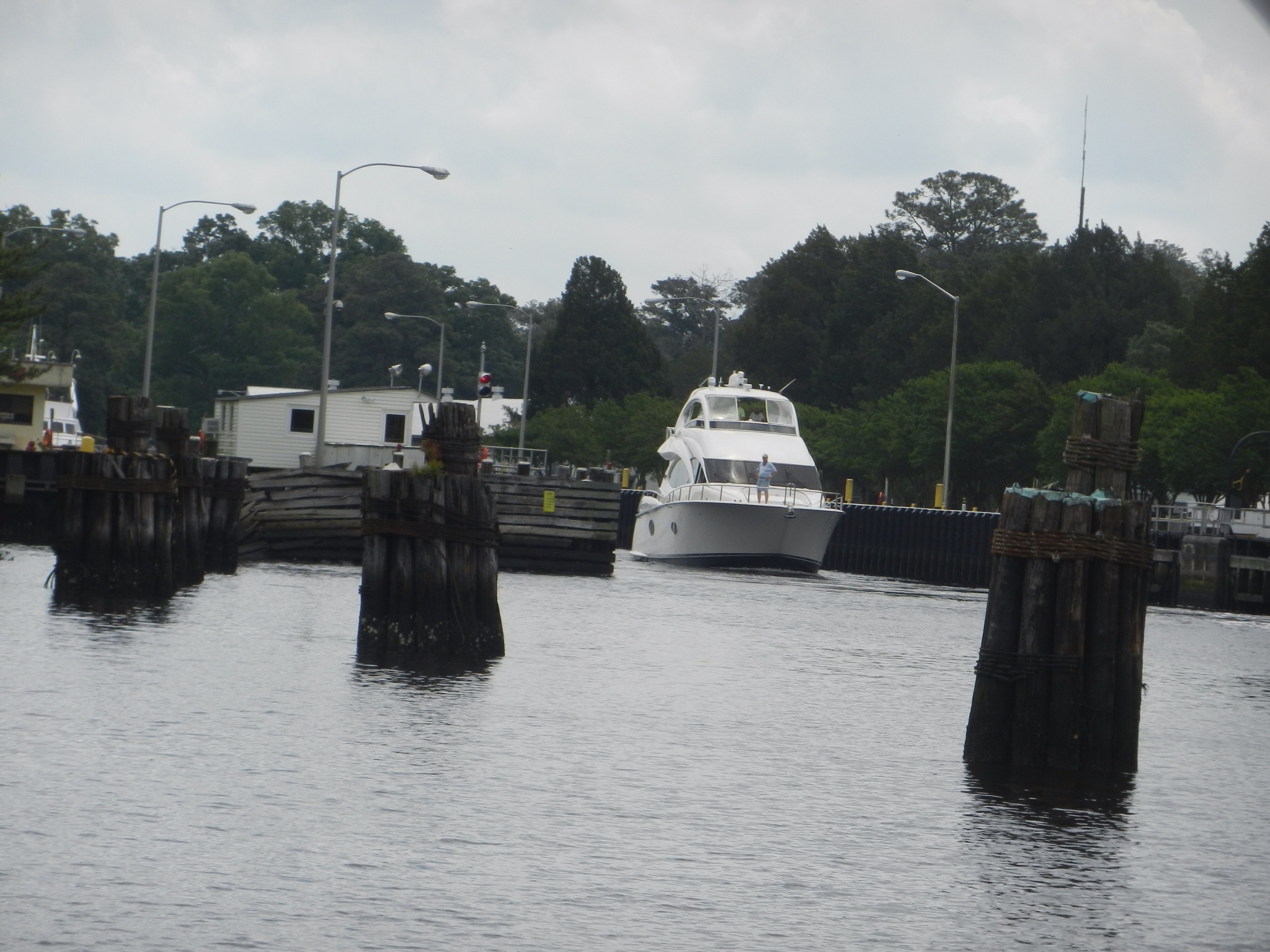
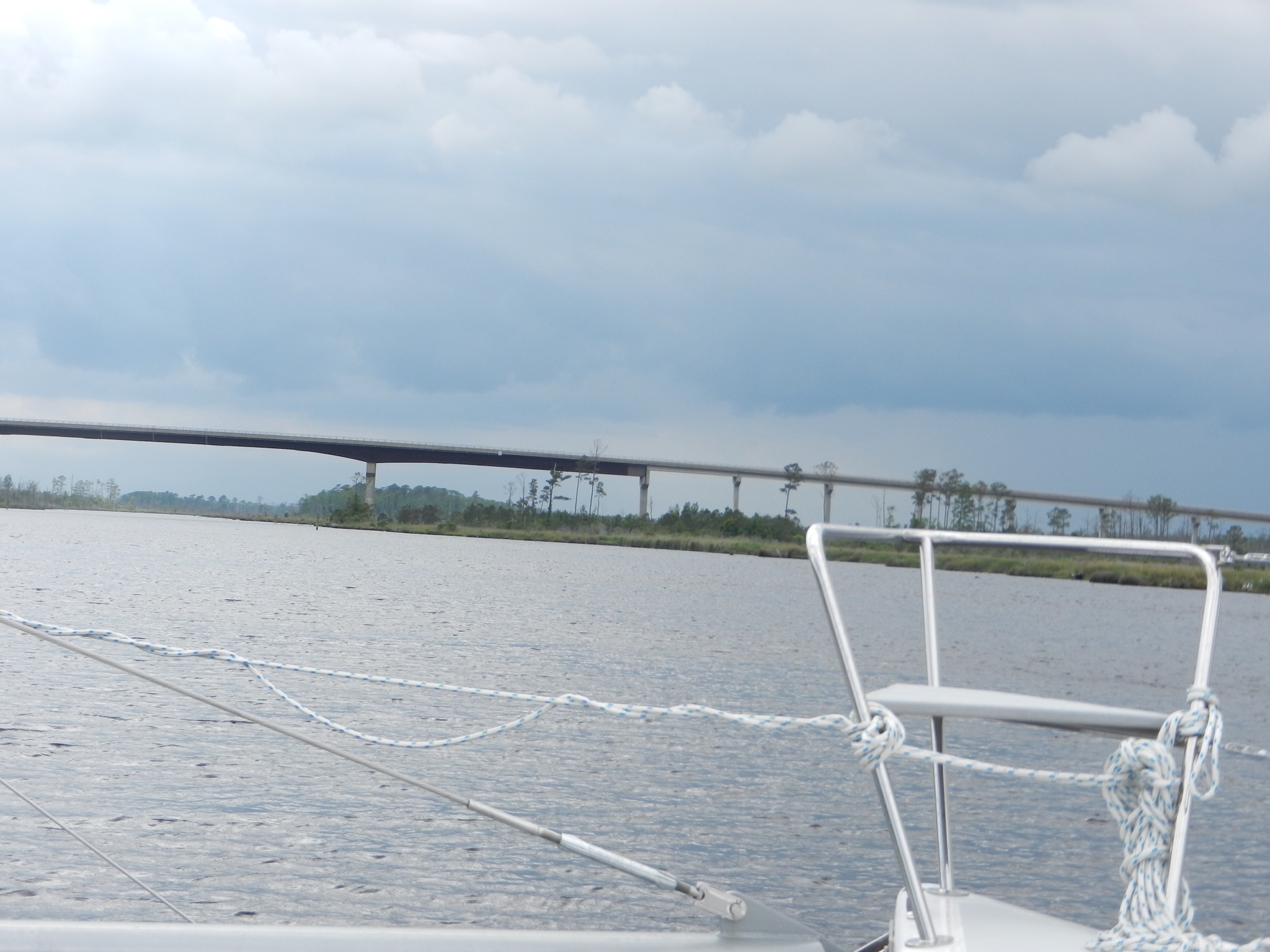
We passed under the new Fairfield Bridge. Ralph and Arlene recall when they had to wait for the old bridge to open.
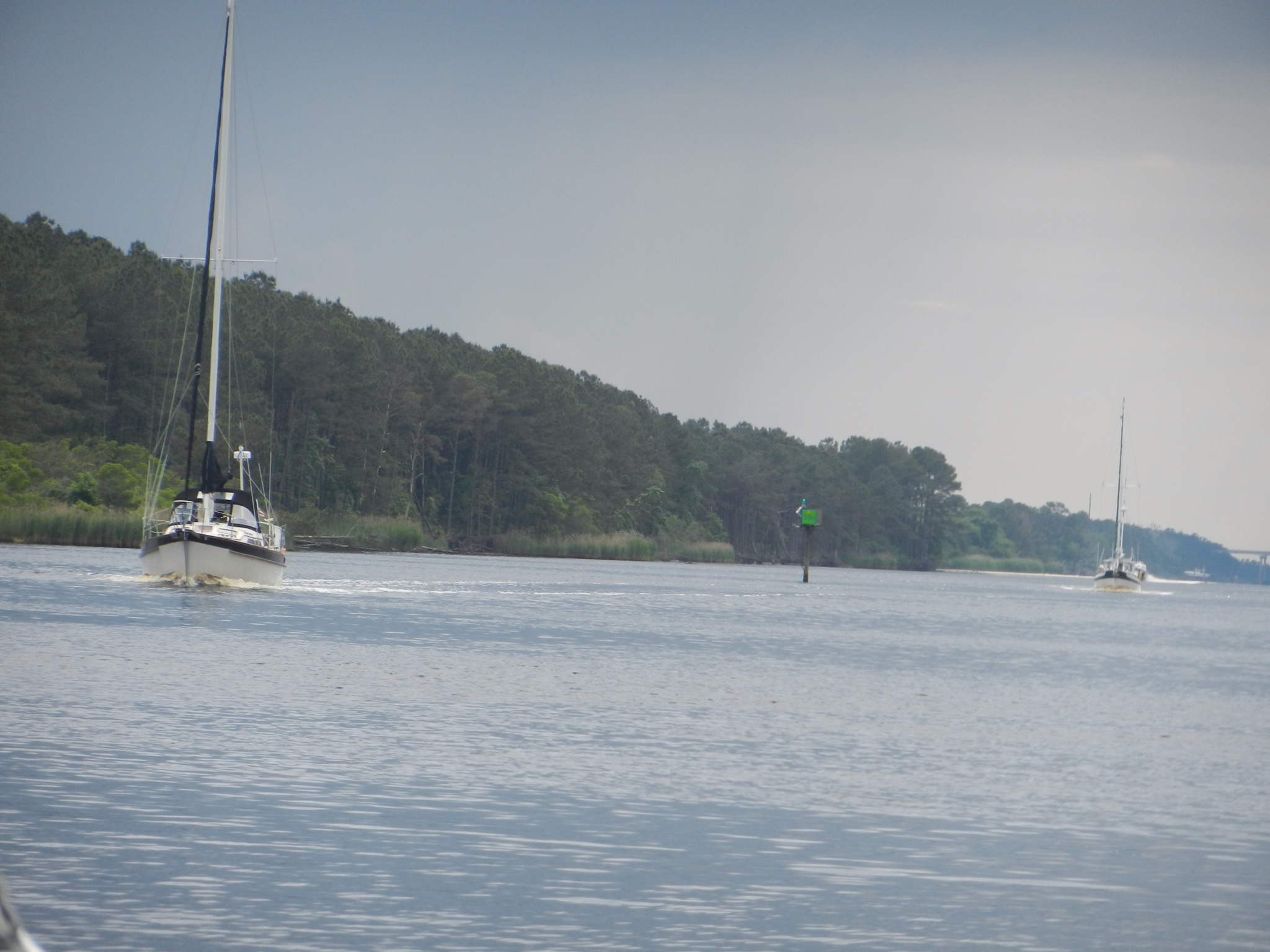
We saw three boats ahead. Stephen said it looked like school just let out.
At 3 o'clock we had tea time. The cookie of the day was Ginger Snaps.

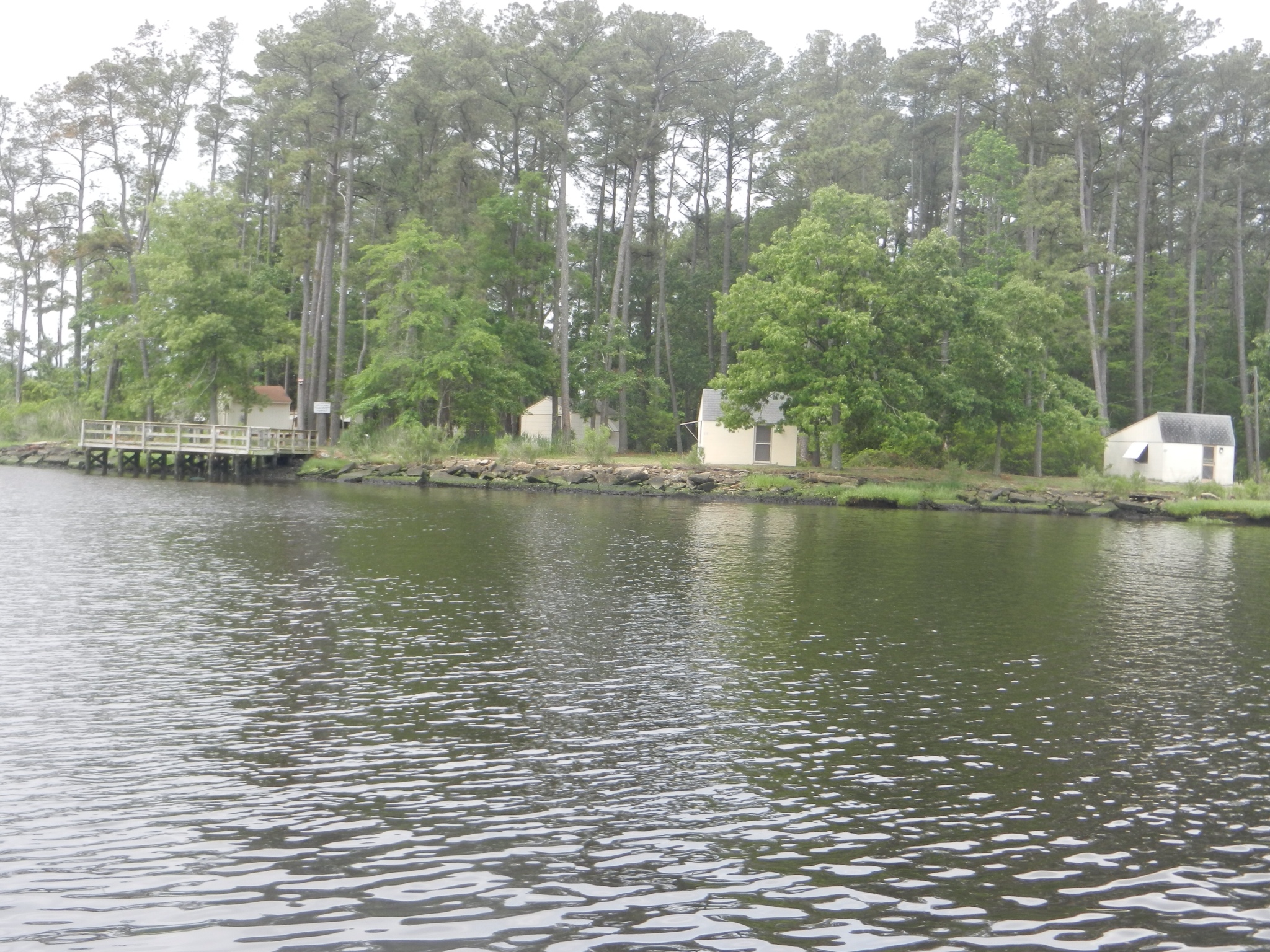
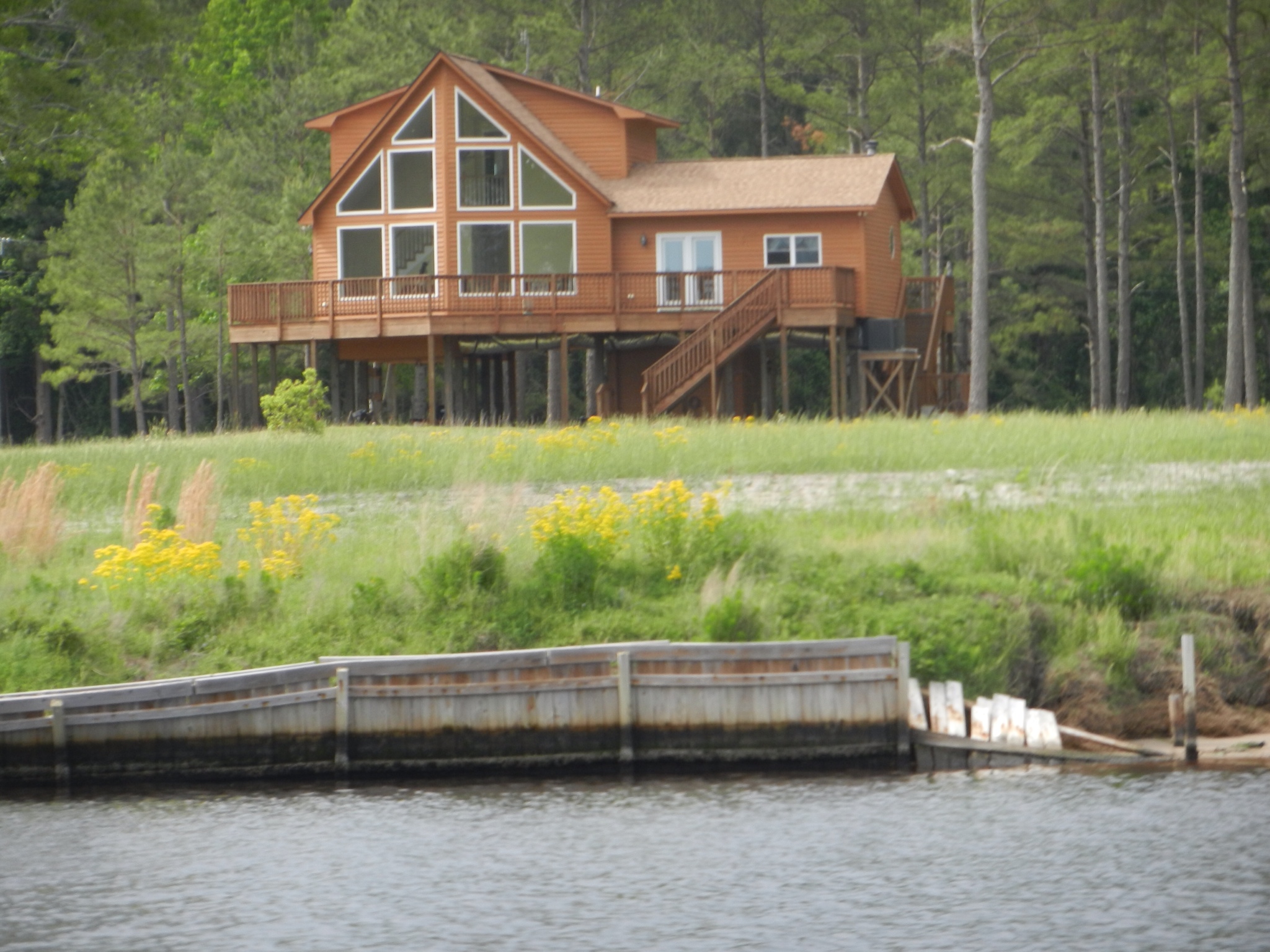
There's a lot of farmland along the canal. Occasionally you would see a house.
Eventually we came to the Wilkerson Bridge. After that we would be in the Pongo River. Franci got to take the helm and steer us to the final anchor spot close to Belhaven.

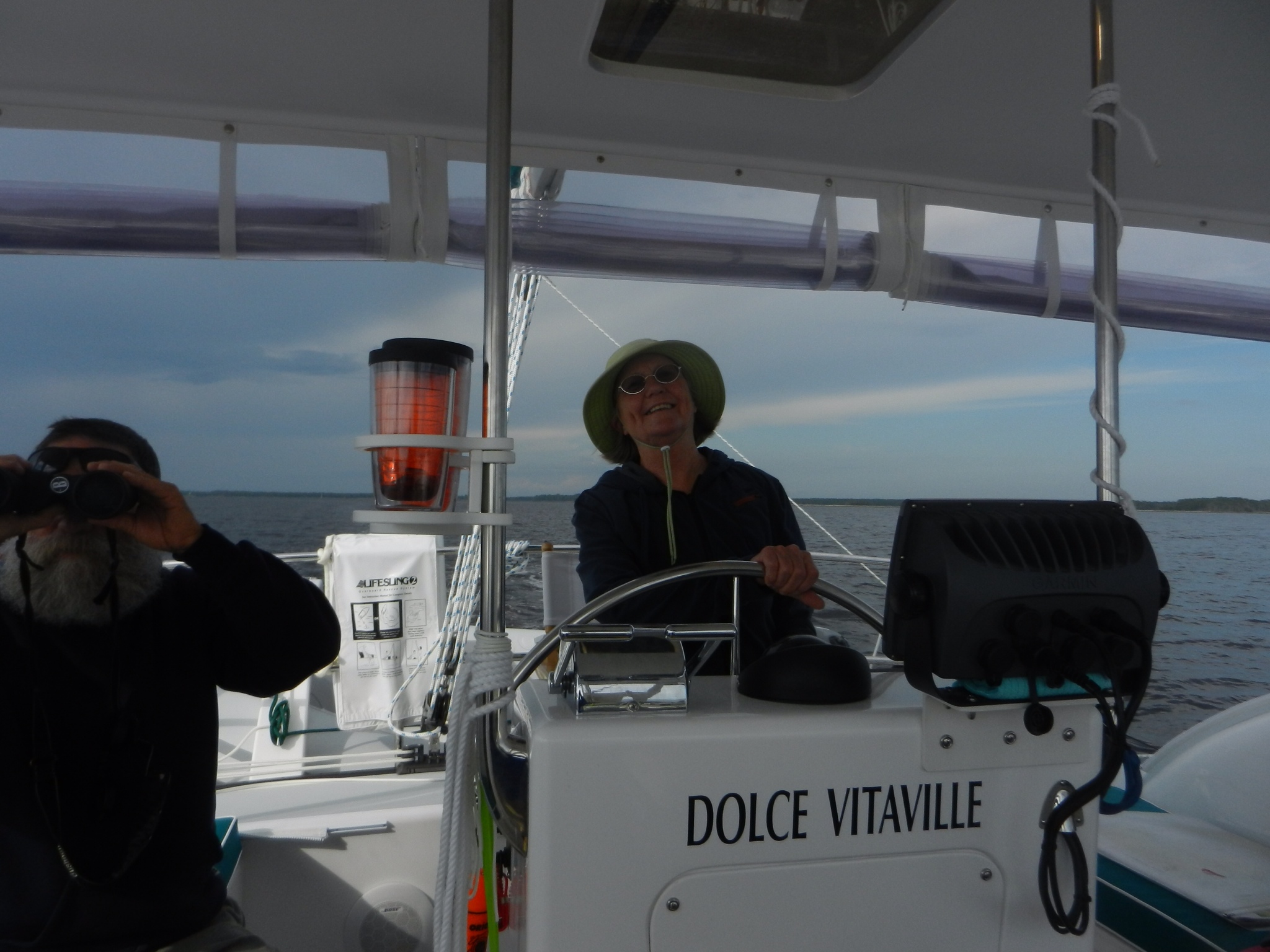
 

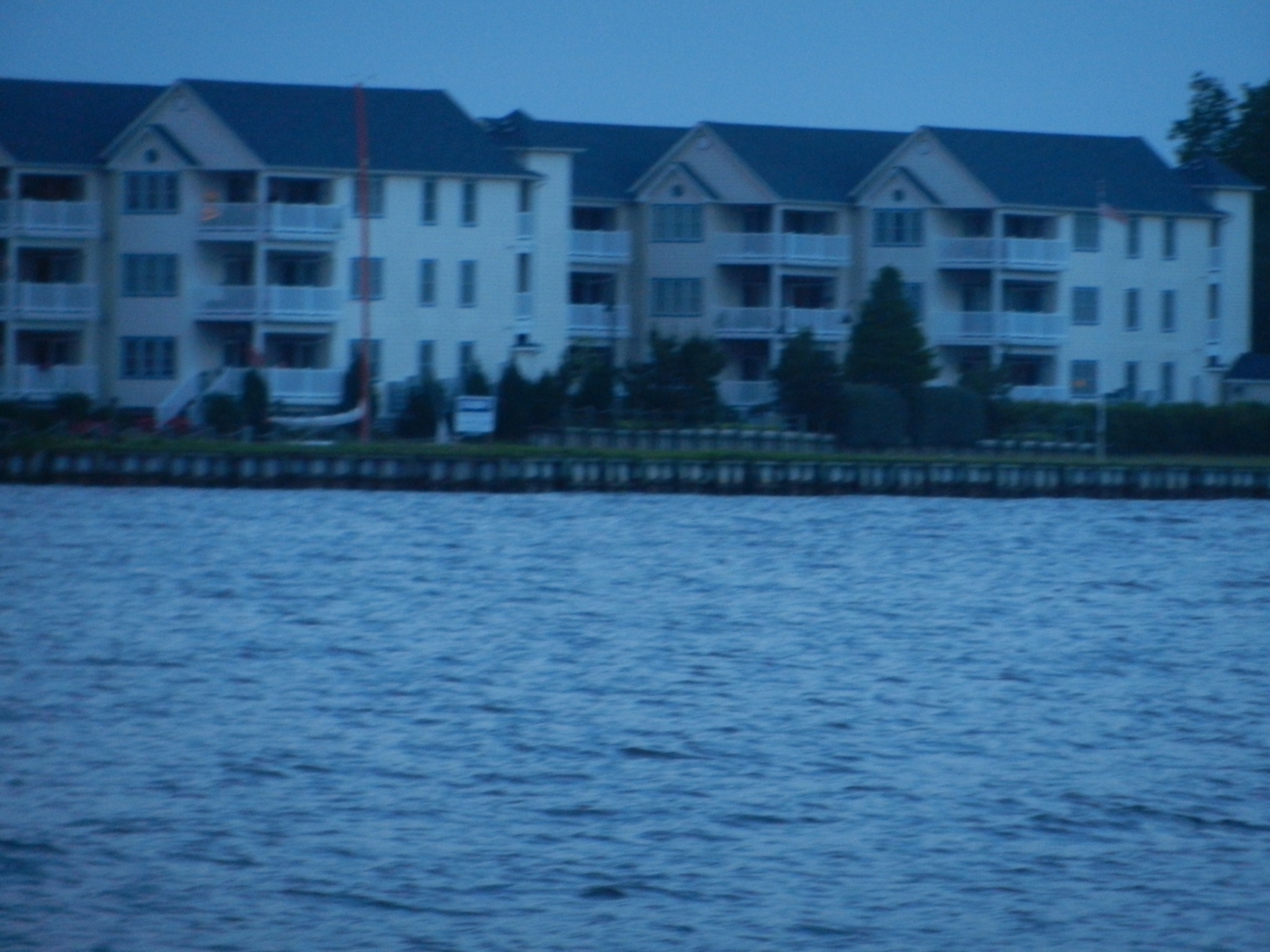
By 6:30 that evening we were anchored in a lovely spot. We had been 88 miles that day. We were the only boat around.. On one shore we could see some private homes, One of them was over a hundred years old and had been a plantation before the civil war. We're not In the north anymore. Ralph and Arlene said that at one time it was a very cool restaurant. There were also new condominiums and numerous other private homes.

For dinner Arlene made us the best fish taco spread we've ever had. Food continues to be great here on the Dolce Vitaville.

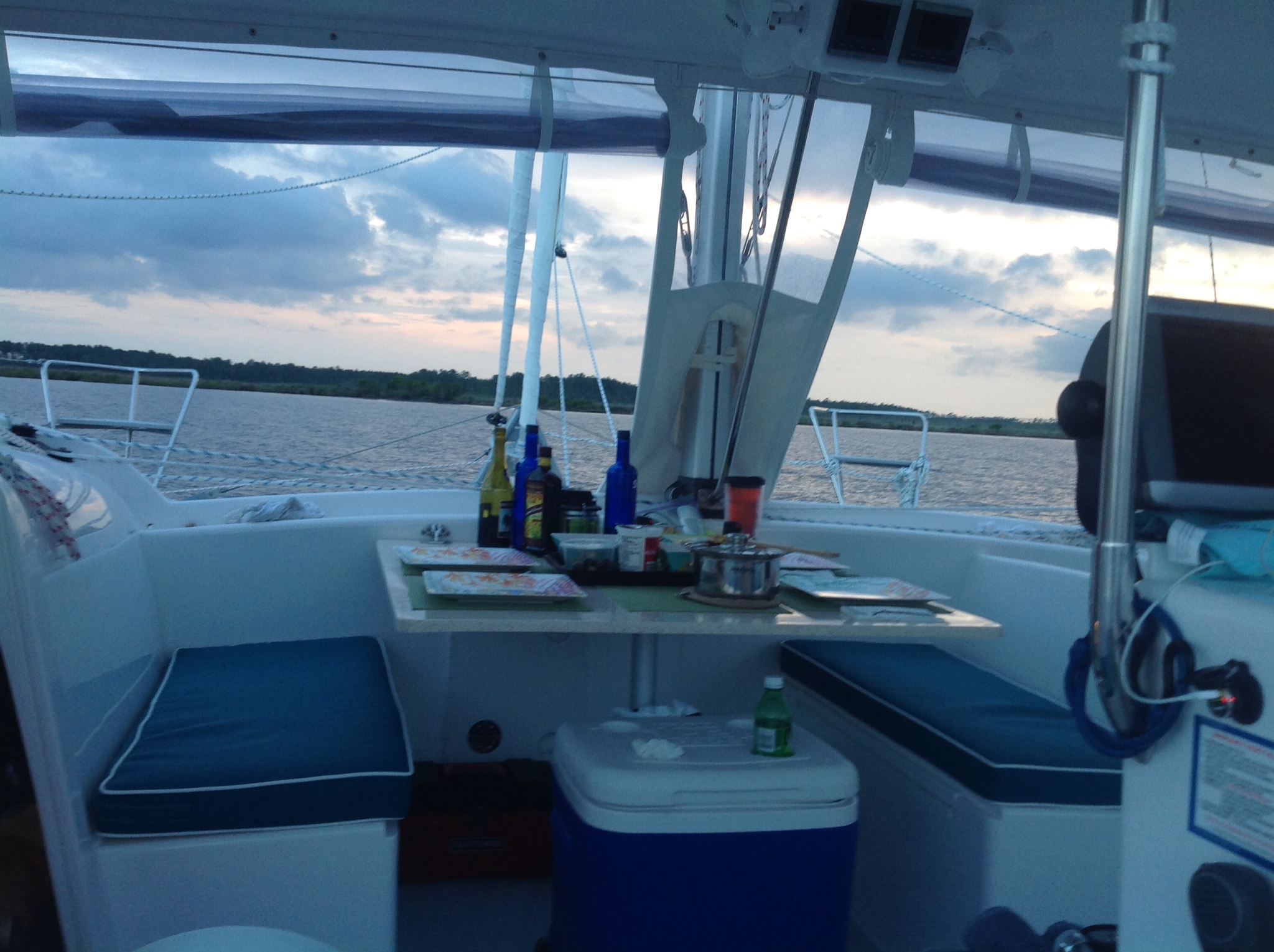
The evening ended with a major mosquito invasion. We quickly put down the eisenglass and killed and shooed off all we could. Happy hour was over. We quietly retired after that.

Life is good.

Fair winds,

Franci and Stphen


Passage to Coinjock (continued) #35


Alas, we did not make the11 a.m. opening and we settle in for an hour long wait.


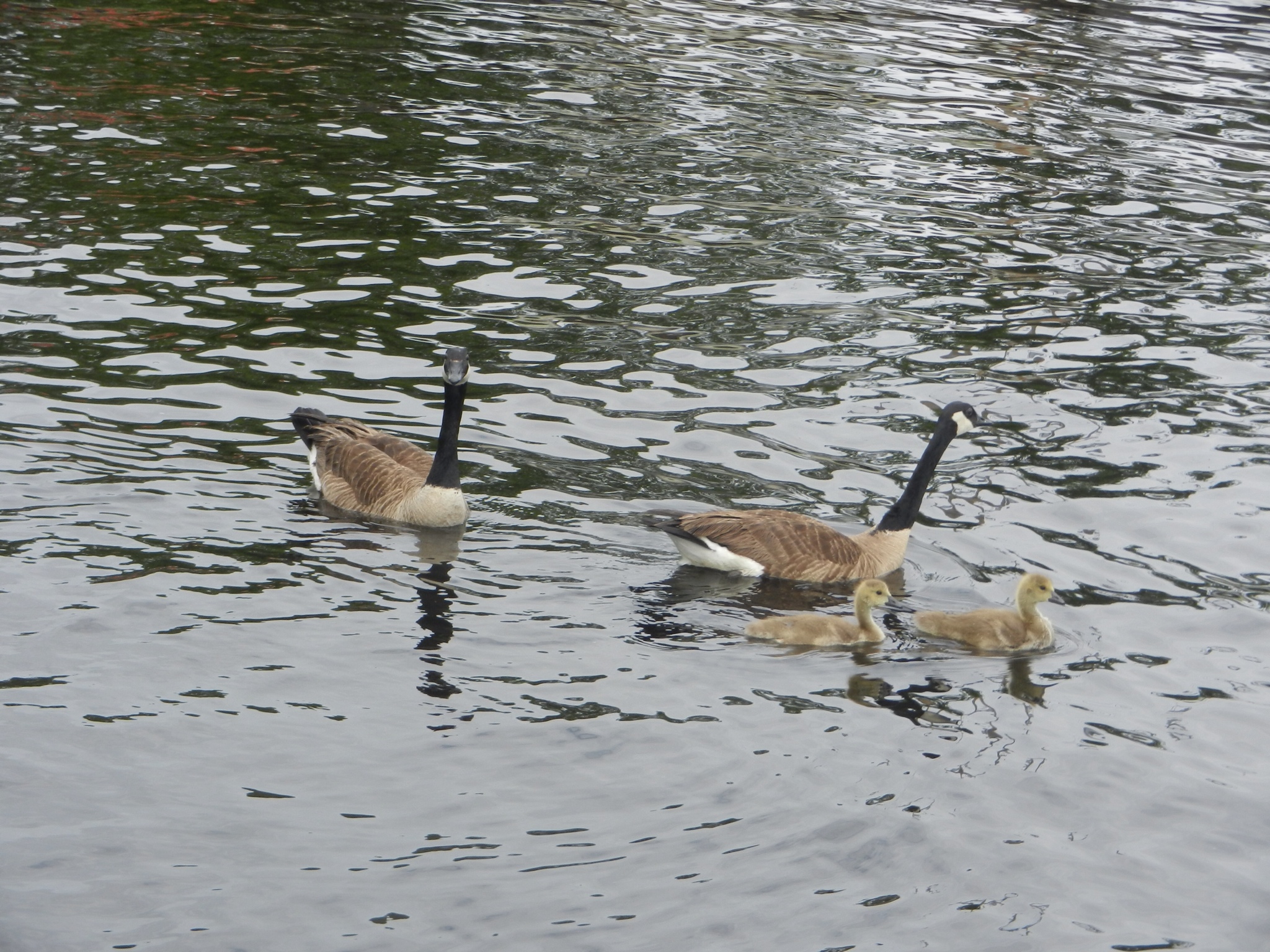
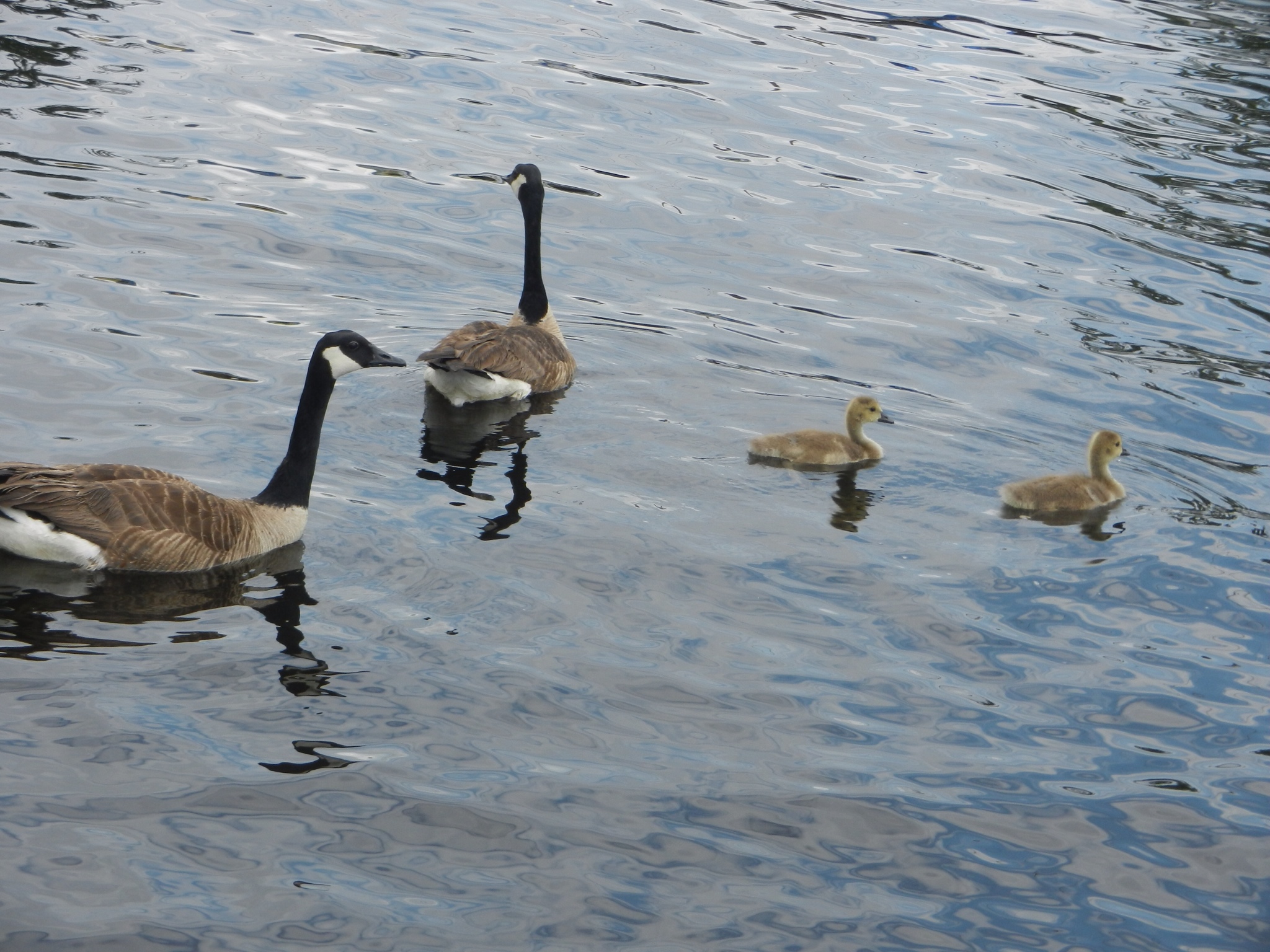
We took pictures of Canadian geese families. Mom and Dad watch over the young ones together. Very sweet.

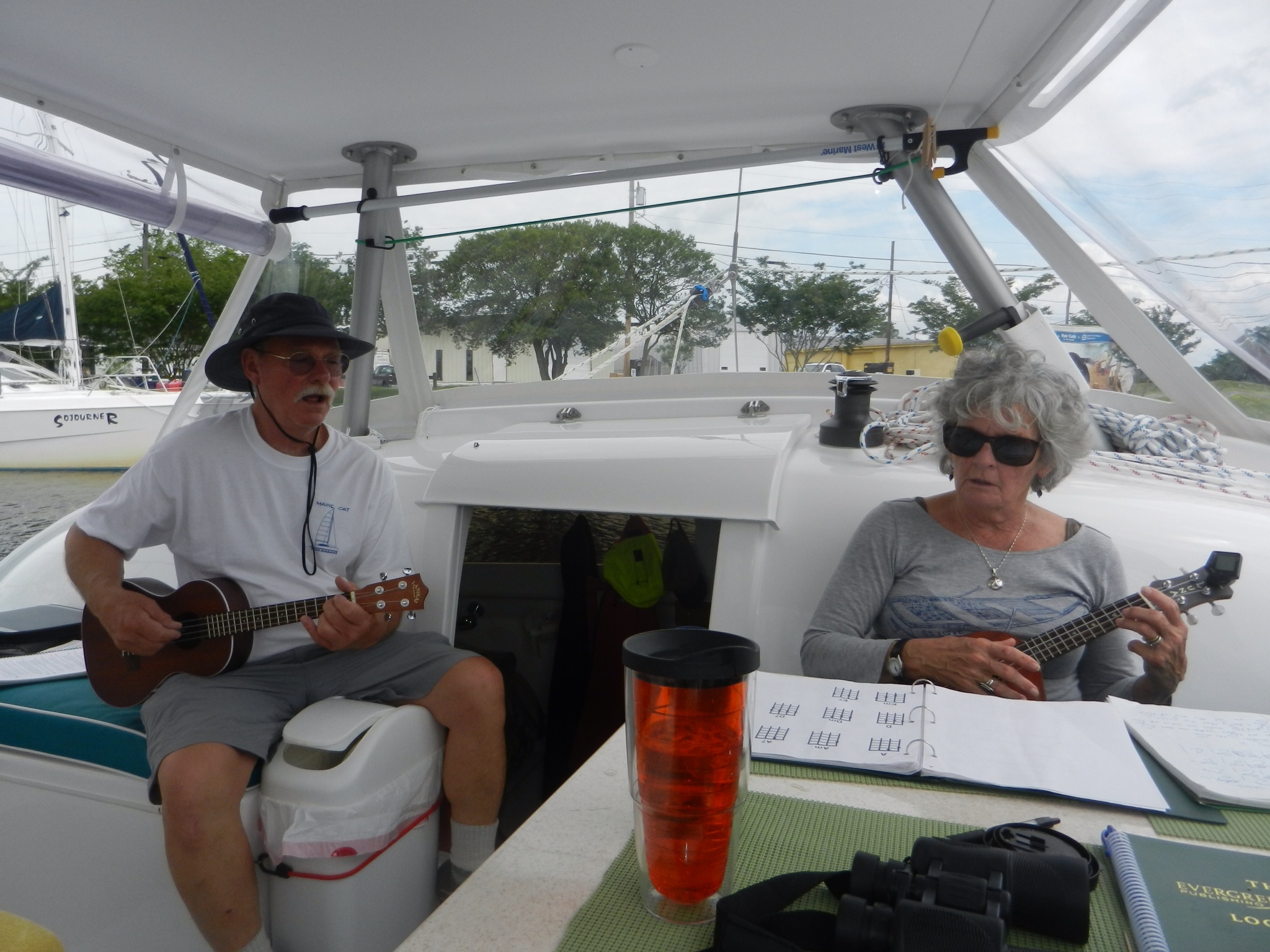
The ukeleles came out and we had live music. You can catch the audio on one of the posted videos.

Finally we made it through the bridge and stopped at the Atlantic Yacht Basin for fuel.


They gave us this cool screwdriver with a magnet on the other end as well as a couple of pens.


At 12:35 we arrived at the Centerville Turnpike Bridge. We expected a 25 minute wait but the man said,”Come on down to the bridge.” He opened the bridge.

This one is called a swing bridge.

We are no longer on the Elizabeth River. This is called the Chesapeake Canal but it is still the ICW.

At 1:30 we came to the North Landing Bridge. We contacted the bridge master and he said come ahead. This would be our last bridge and our last hang up.

Franci enjoyed her time at the helm. The canal is narrow with trees and bad stuff on either side so it is important to stay right in middle. Driving with sharp attention to the depth gauge helps as does looking back at the wake occasionally.

At 2 p.m. it began to rain. Stephen and Arlene put down the eisenglass. We had things open before. It is no longer cold, I don't think we'll need our long underwear anymore.

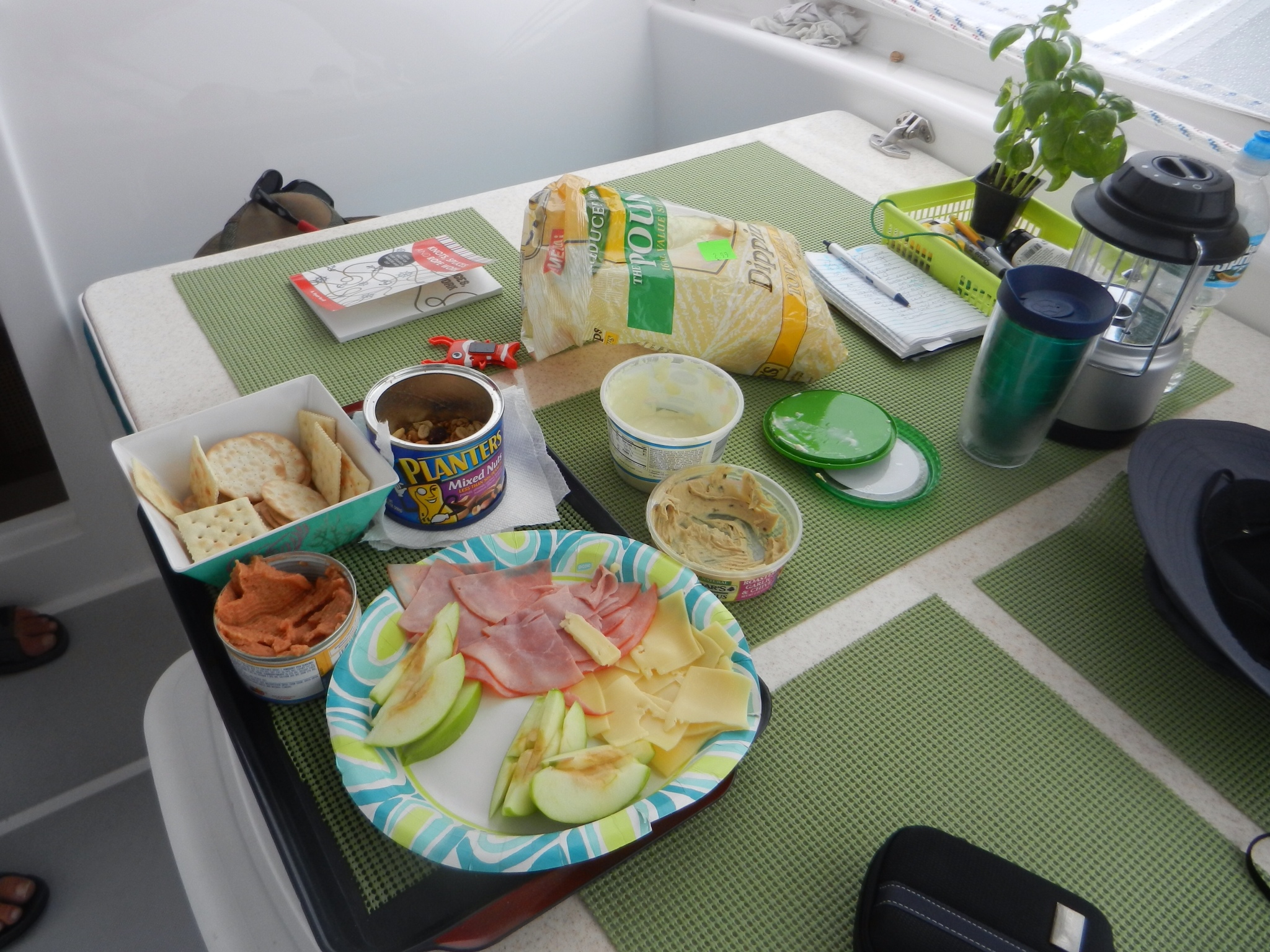
At 2:30 Arlene brought up the snacks……ham, cheese, apples, crackers, chips, humus, blue cheese dip, bean dip and mixed nuts. She took over the helm so Franci could take a break.
Stephen and Franci worked on a couple if new knots…..a sheet bend used to connect two ropes of dissimilar sizes and the rolling hitch used with the anchor harness.

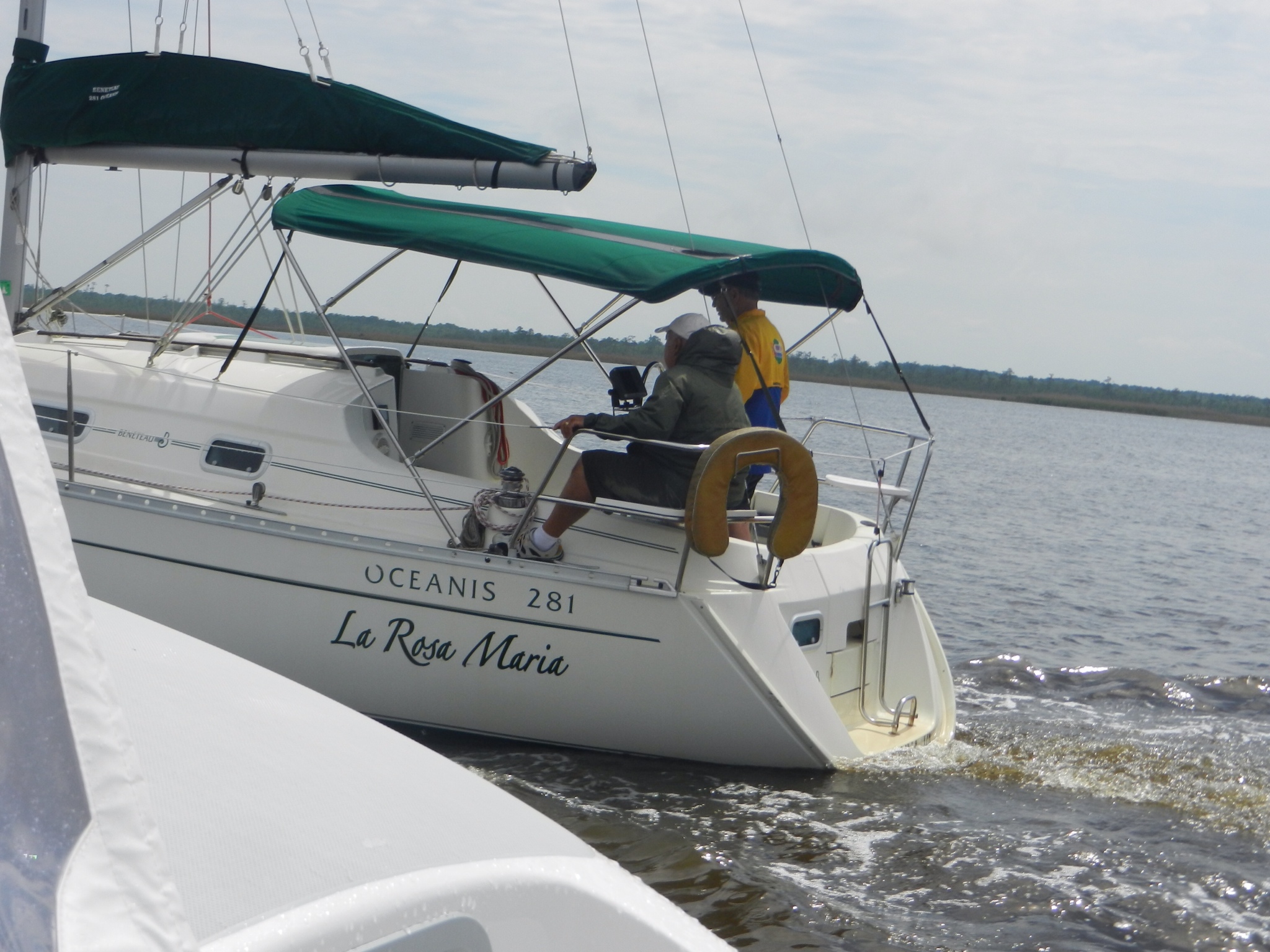
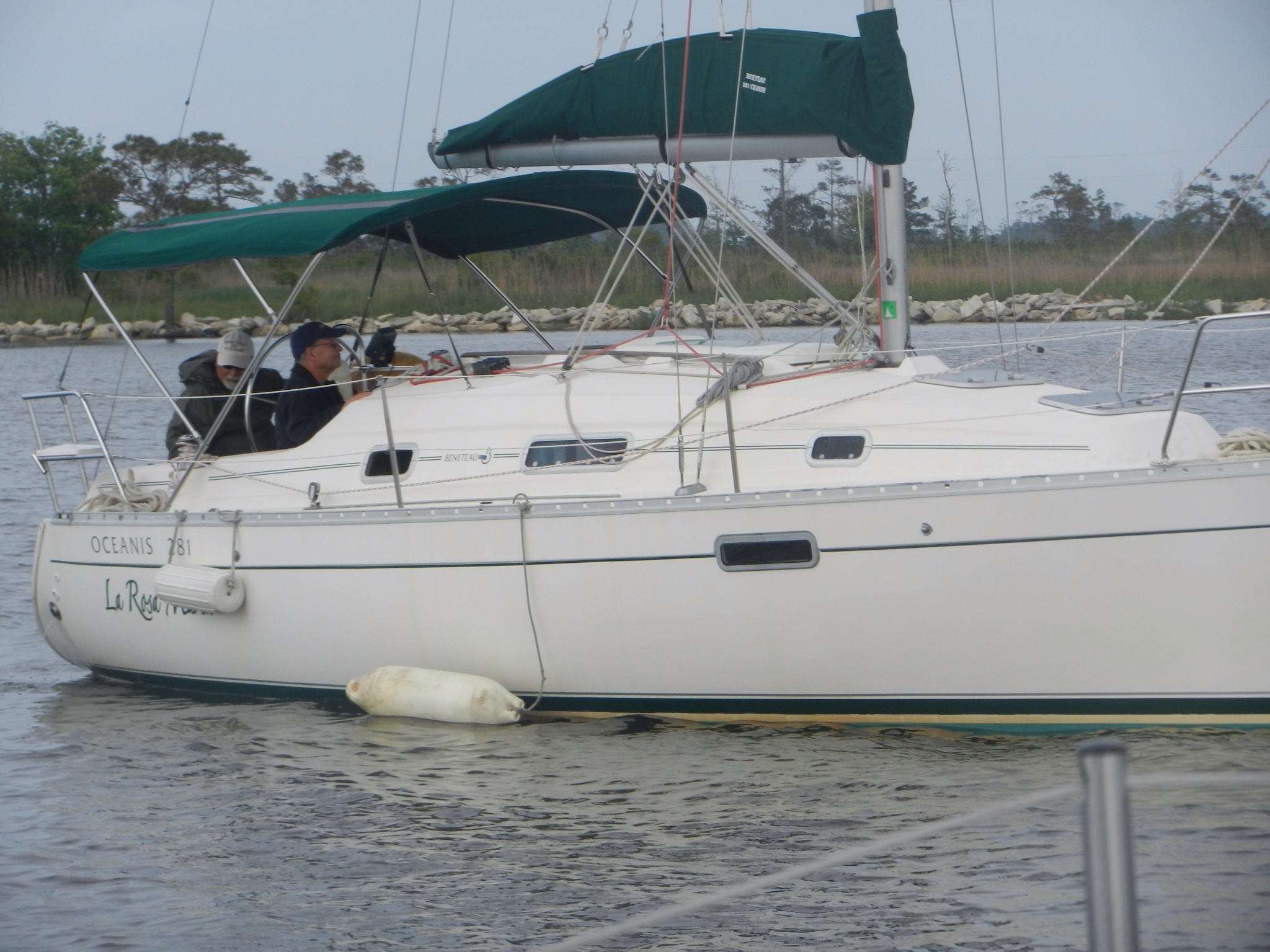
3:15 Capt. Ralph is back at the helm. We finally passed La Rosa Marie, a boat we had been following since the lock. Later we would have the opportunity to help them navigate the channel into Coinjock Marina. The canal opened up into some sort of bay although they call it the North Landing River.

Here's Stephen down below for a little blog time.

There were no ships in the ICW although we did see a couple of barges. We understand the barges like to run at night after yachties have docked. The canals and locks are narrow. Most the ships go outside into the Atlantic

The lock by the way served mainly to keep salt water out of fresh water. There was very little level change..

At 3:30 we had pecan sandies and tea, another refreshing snack. We were also able to roll the eisenglass back up. The sun was out again.

We arrived at Coinjock Marina around 5:30 p.m. Before arriving we took down the screecher and rolled in the bowsprit because boats at Coinjock are tied close together.


It was also at that point that we turned around to help the guys on La Rosa Marie navigate the narrow entrance into the harbor.

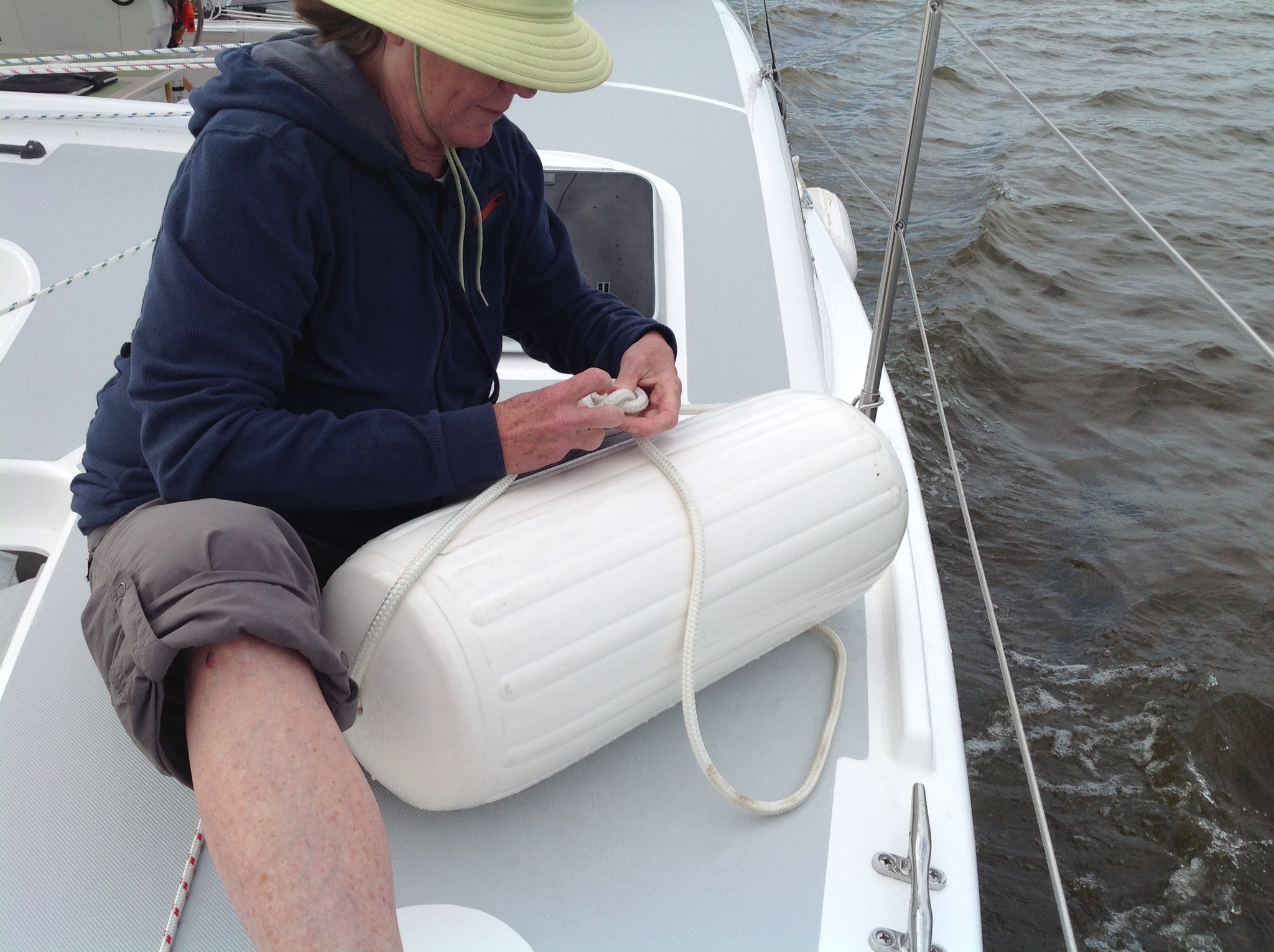
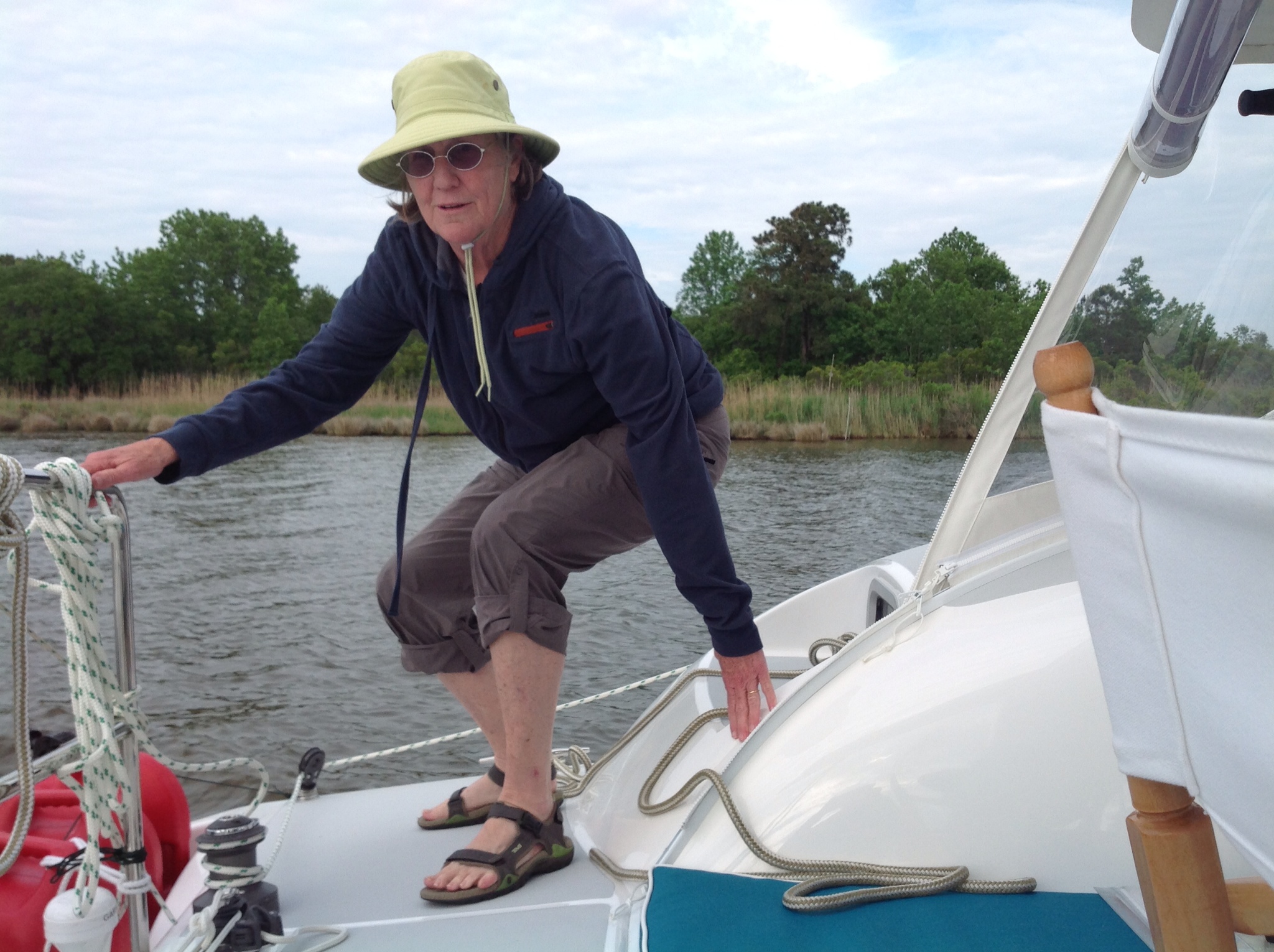
Franci helps get the fenders and dock lines ready.


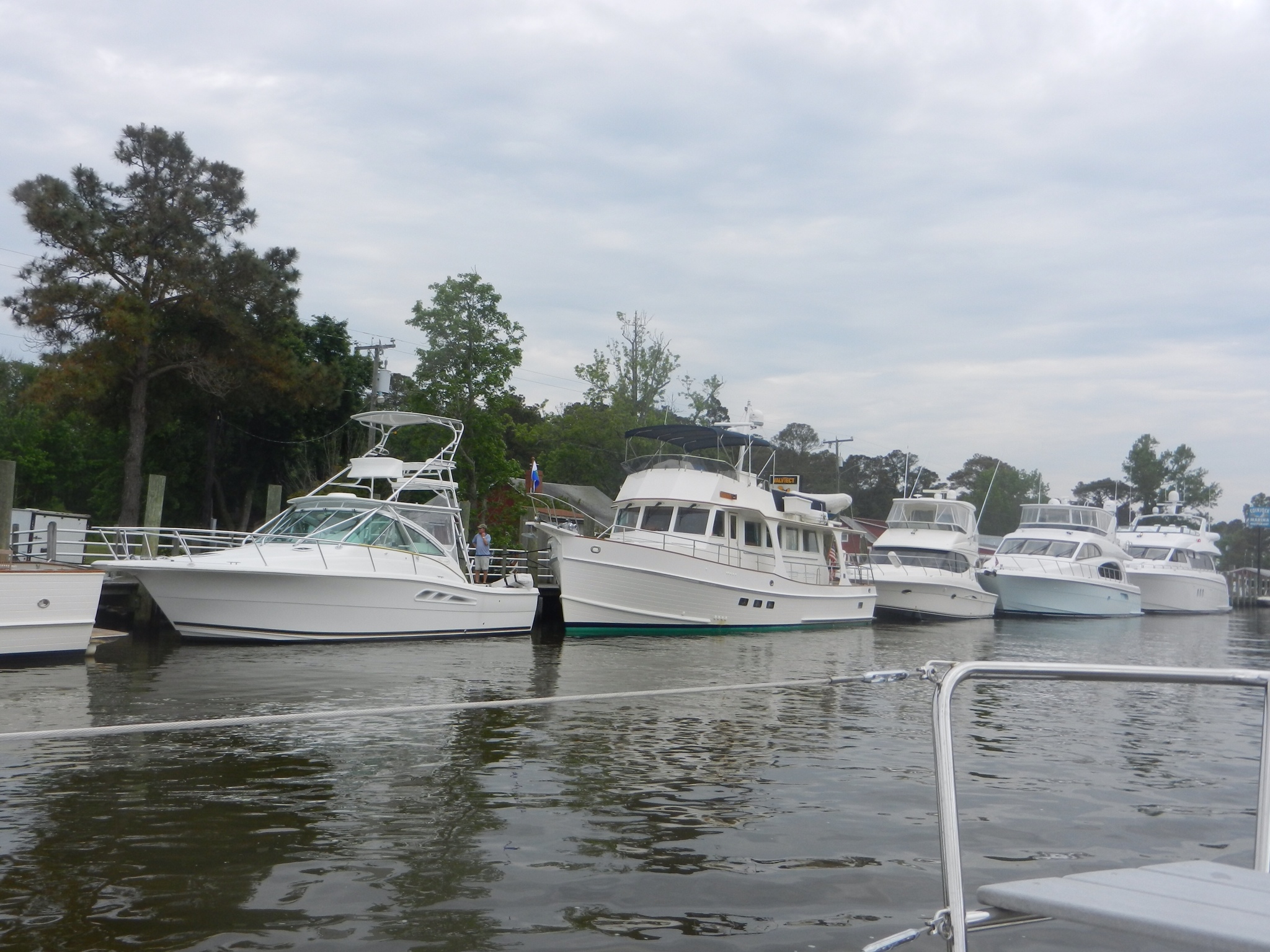
The Marina was great. The boats were tied close together. We got a nice spot at the end of the dock.


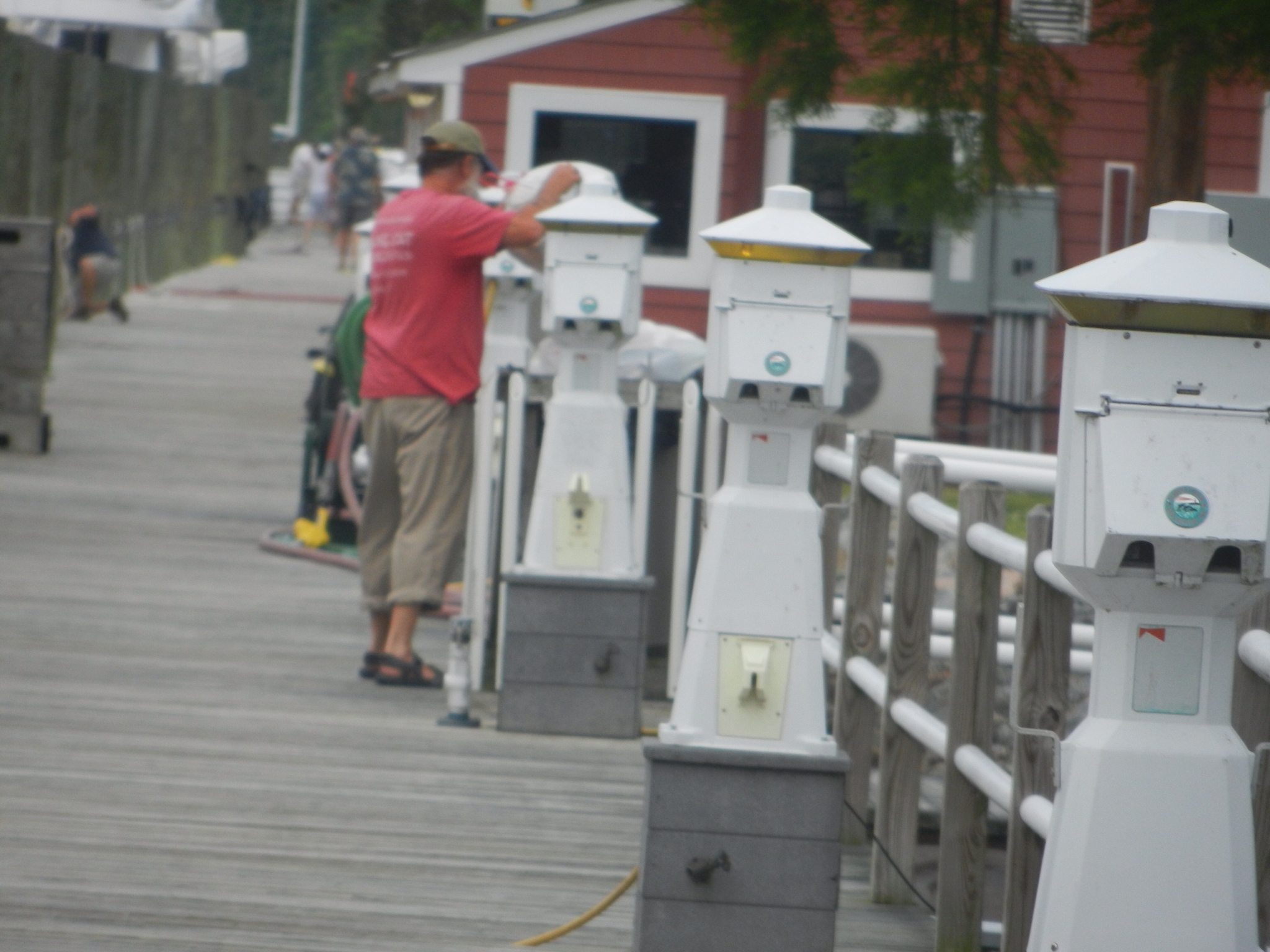
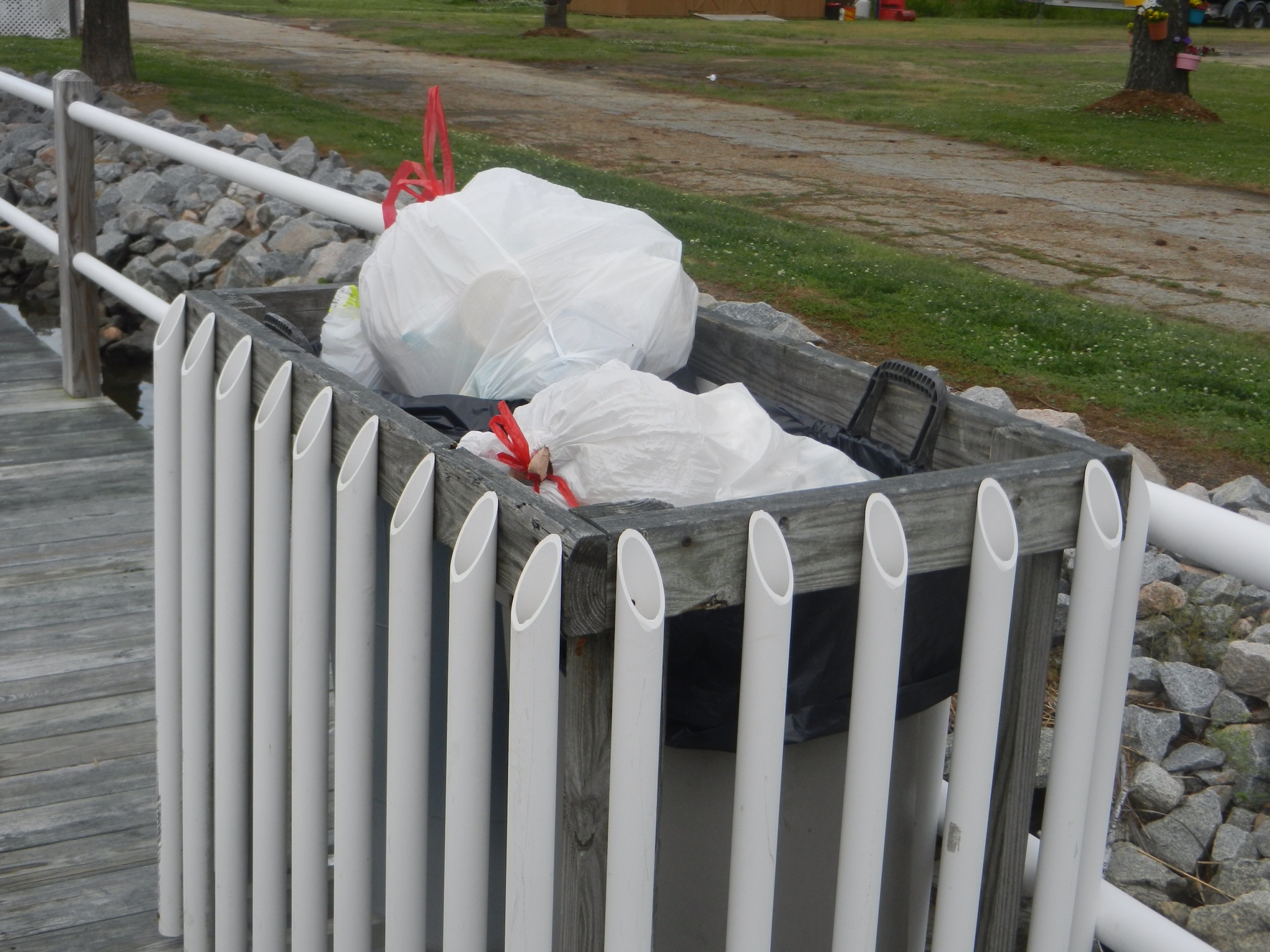
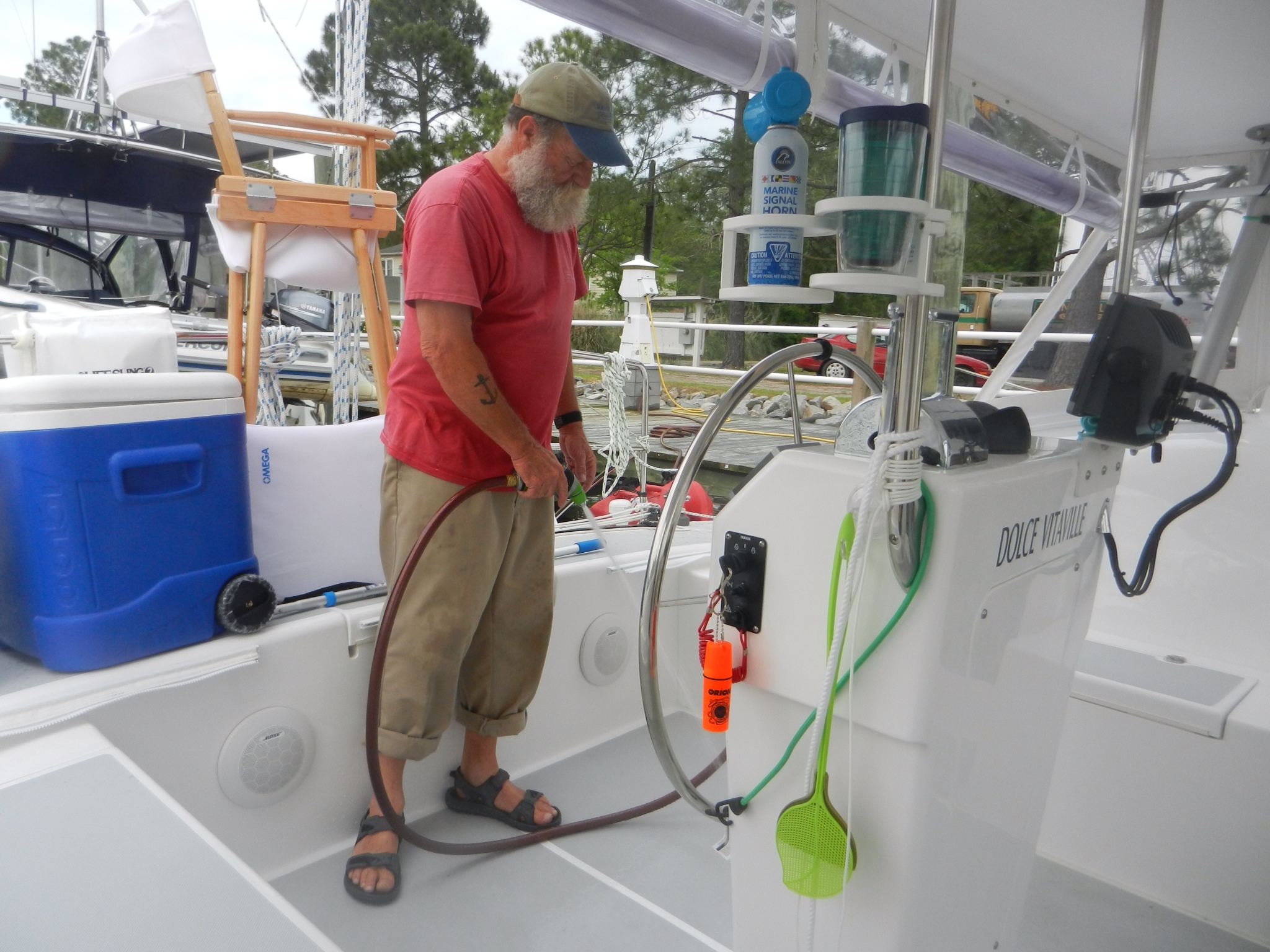
We were able to get rid of trash, clean the boat, top off the water, take showers and buy ice.


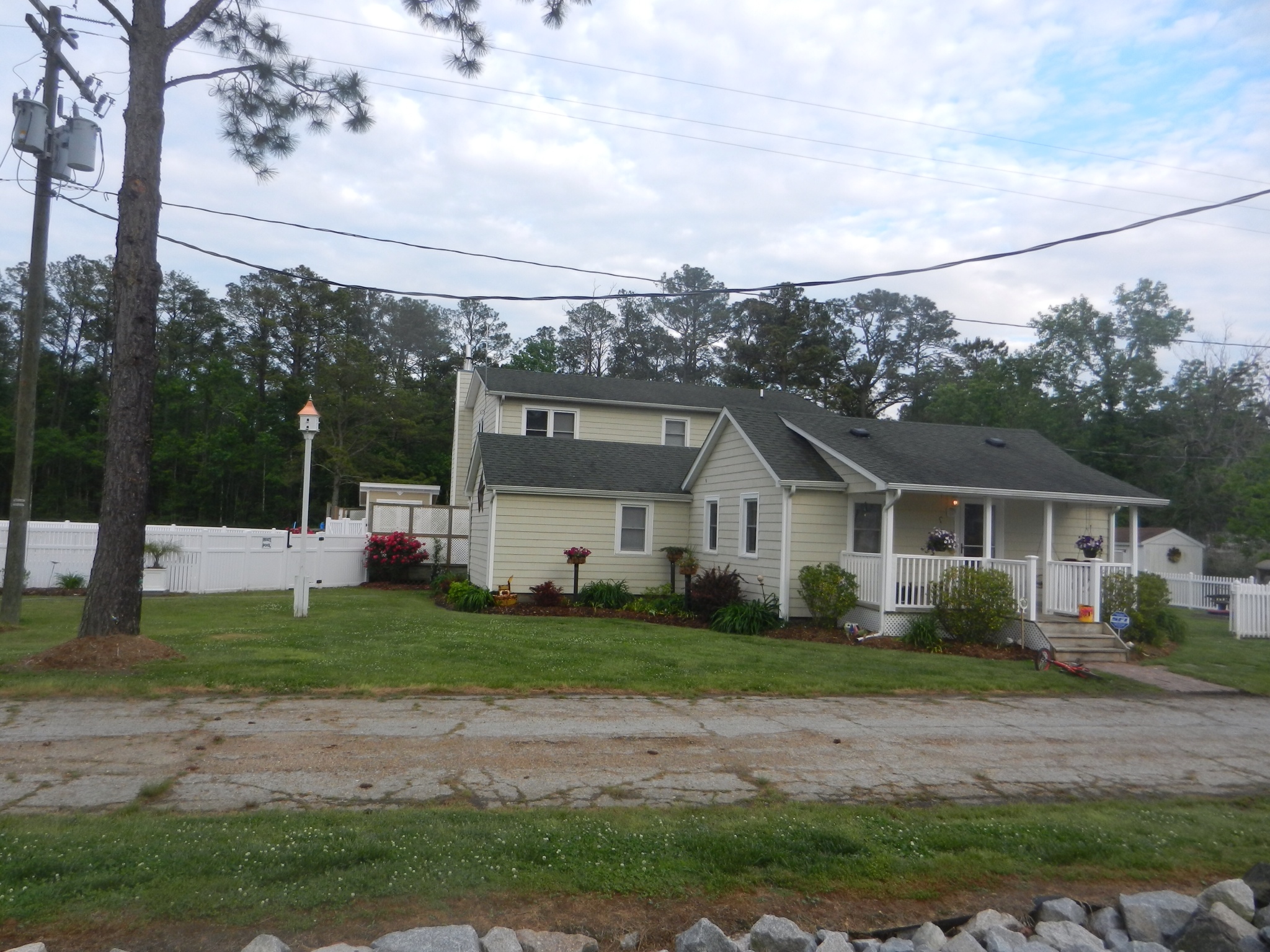
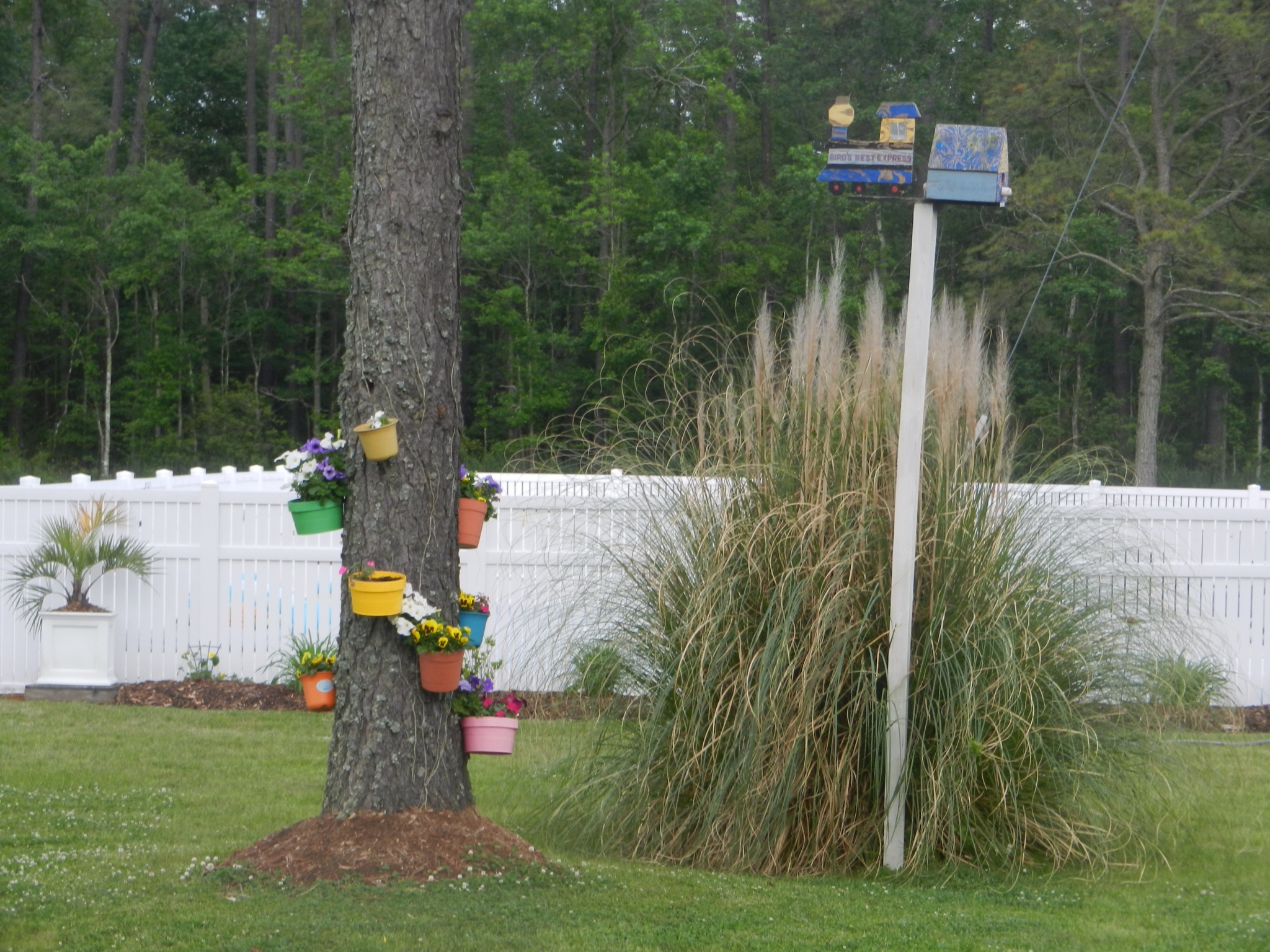
The Dock Master, Louis, lives in this charming house with his wife and two children. The landscaping was impeccable. Ralph and Arlene recall when they lived in only the small cottage in the front. The waitress, Colleen, recalls when Louis lived in an apartment above the restaurant. It's truly a little community. Very charming.

Dinner was marvelous.

Homemade Potato Chips

Salad

Prime Rib, we got the mate's cut (smaller than the 32oz Captain's cut) for obvious reasons.

Crab Cakes

We forgot to take a photo of the apple cranberry pie we topped it all off with.

Life is good.

Fair winds,

Franci and Stephen


Passage to Coinjock #34

I forgot to mention that while we were anchored in Willoughby Bay yesterday, Ralph changed the oil again. This must be done every 100 engine hours. We have been motoring a lot.

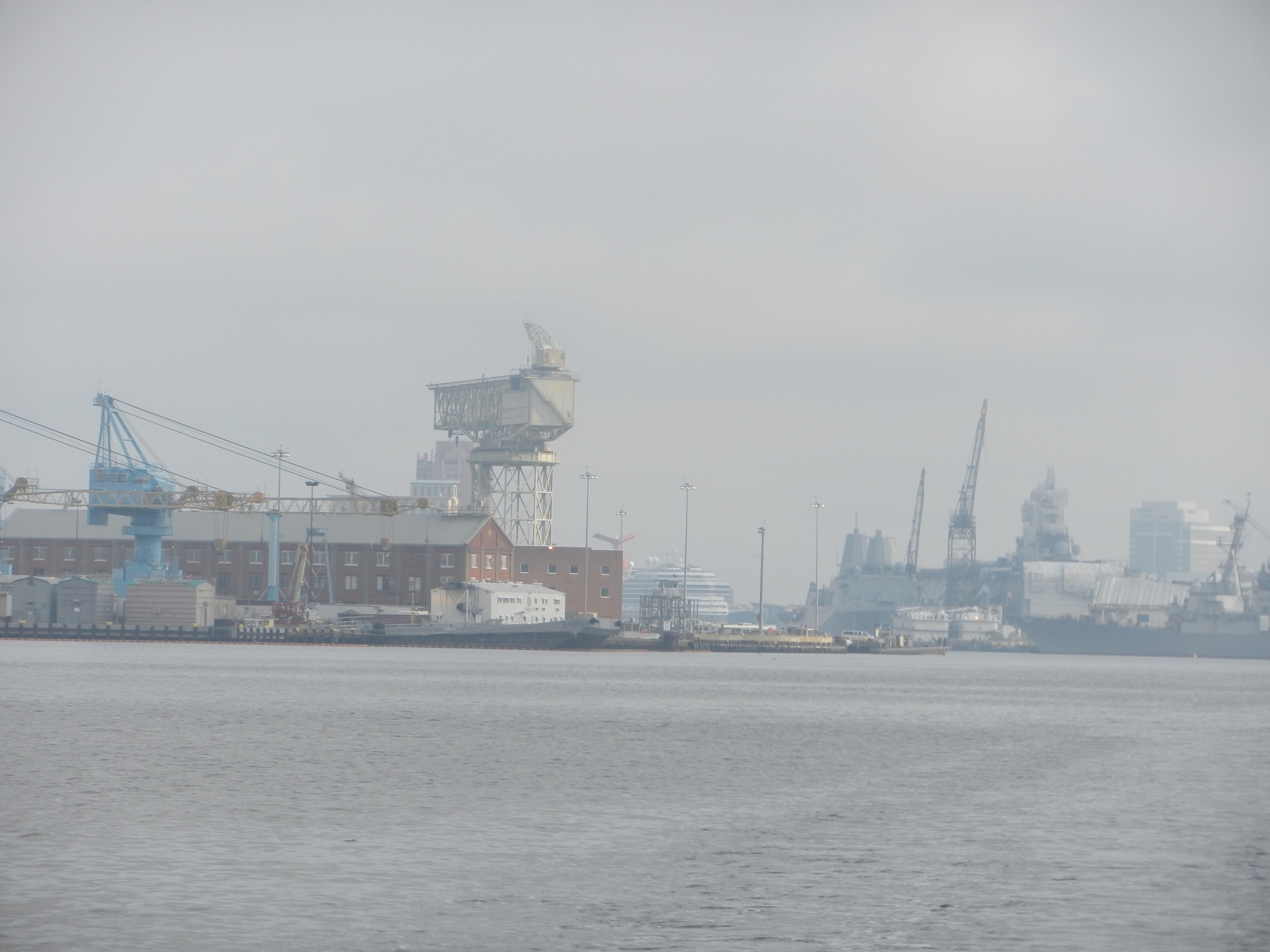
At dawn we left Norfolk headed down the Elizabeth River, part of the ICW. The River started out looking much like the Ship Channel in Houston. Lots of Industry along the way.

u

Stephen enjoyed a turn at the helm.

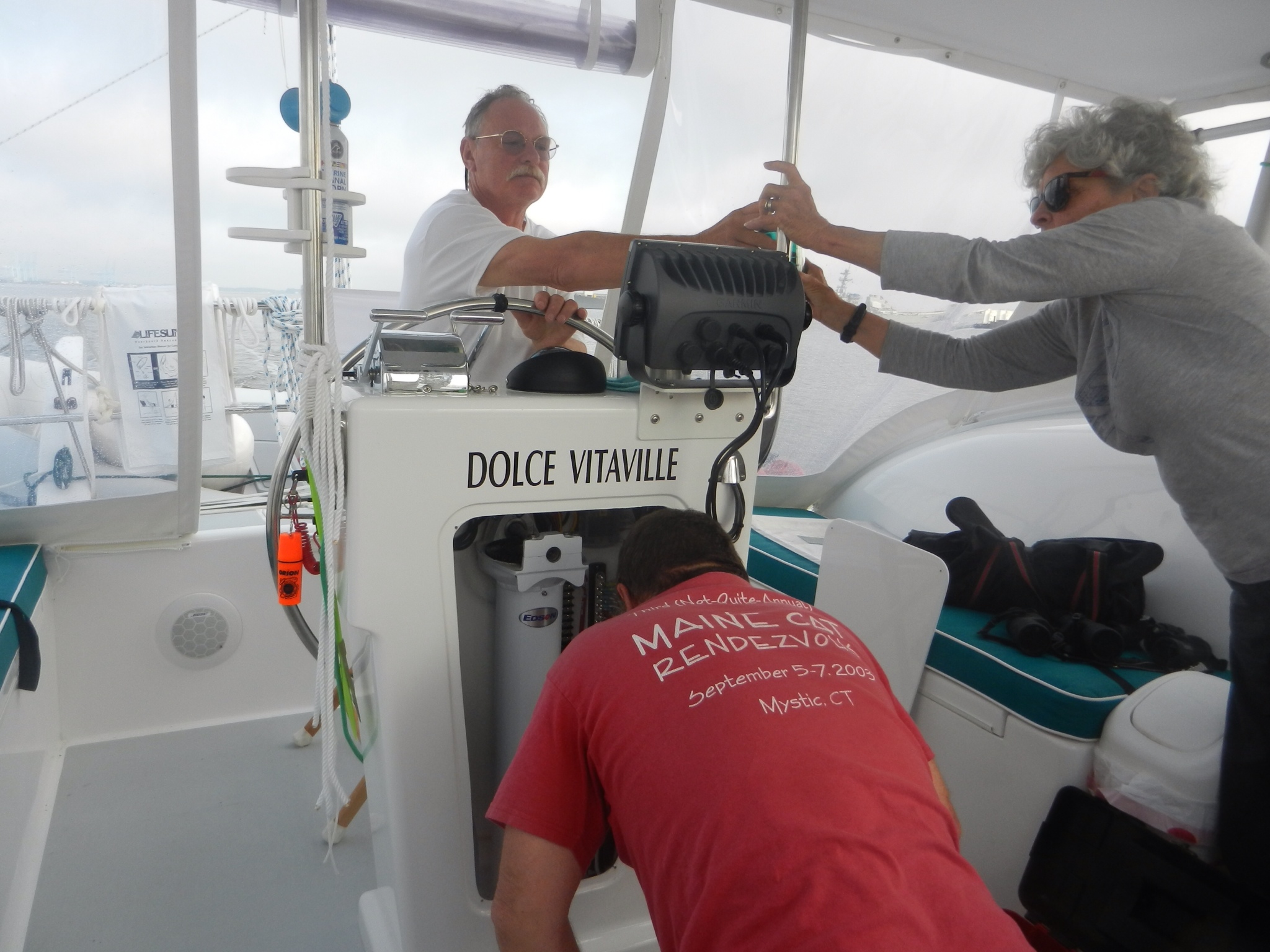
Capt. Ralph took a little time to fix a problem with the steering linkage. Lucky for us Capt. Ralph brings along his magic jar of parts. He's certainly handy to have around. He always has a fix for anything that goes wrong. We certainly did the right thing hiring he and Arene to deliver our boat.


We are taking the ICW to Coinjock, NC today, home of the 32 oz prime rib. We've already made our reservations for dinner tonight. By Tuesday we will arrive at Morehead, NC where we will meet up with the parts to repair the front Cross beam.

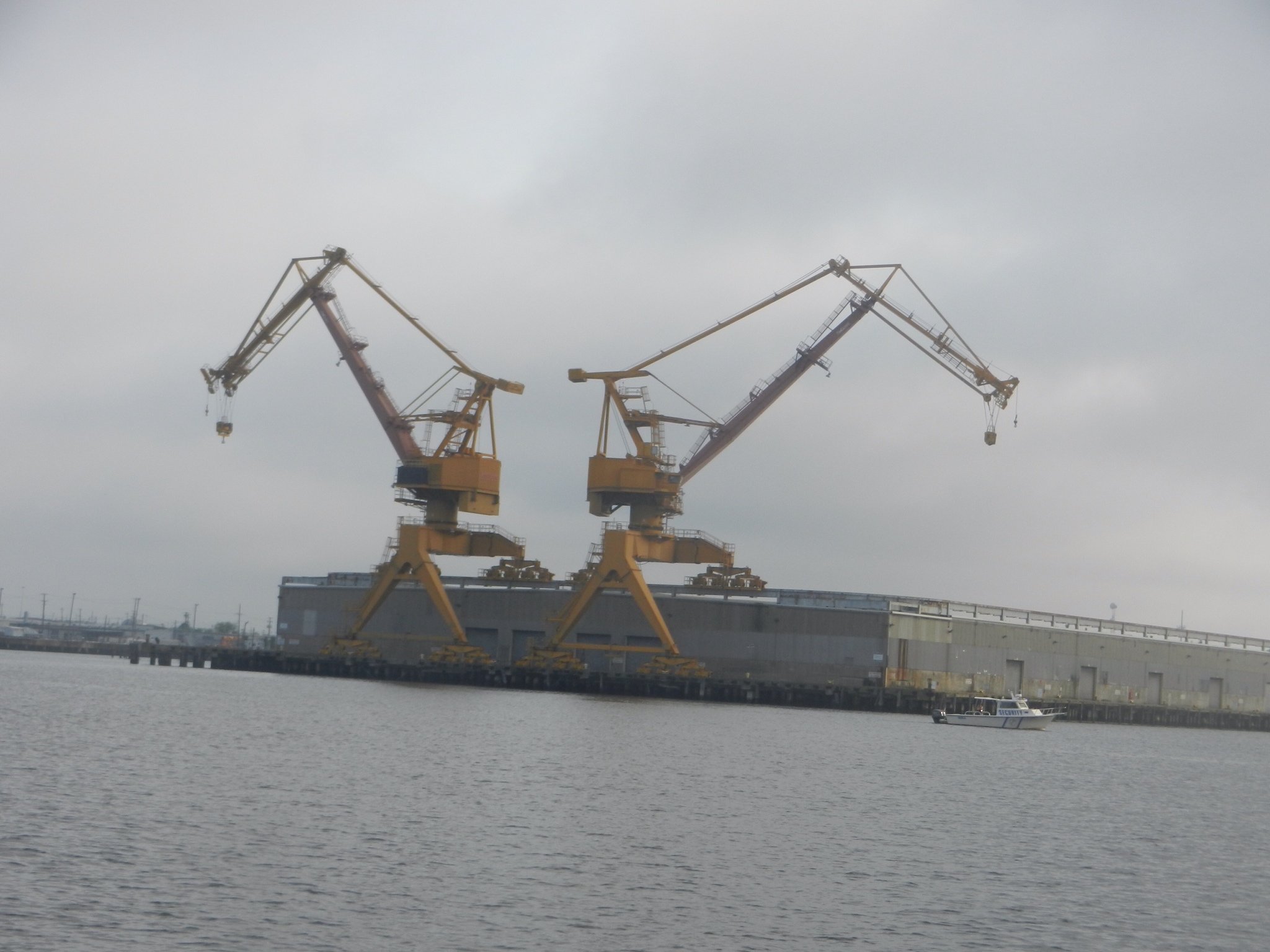
Along the Elizabeth River they build and fix large boats. There were also many loading docks for ships and barges. We saw a cruise ship dock and lots of cranes.


Arlene cooked us sausage and eggs for breakfast.

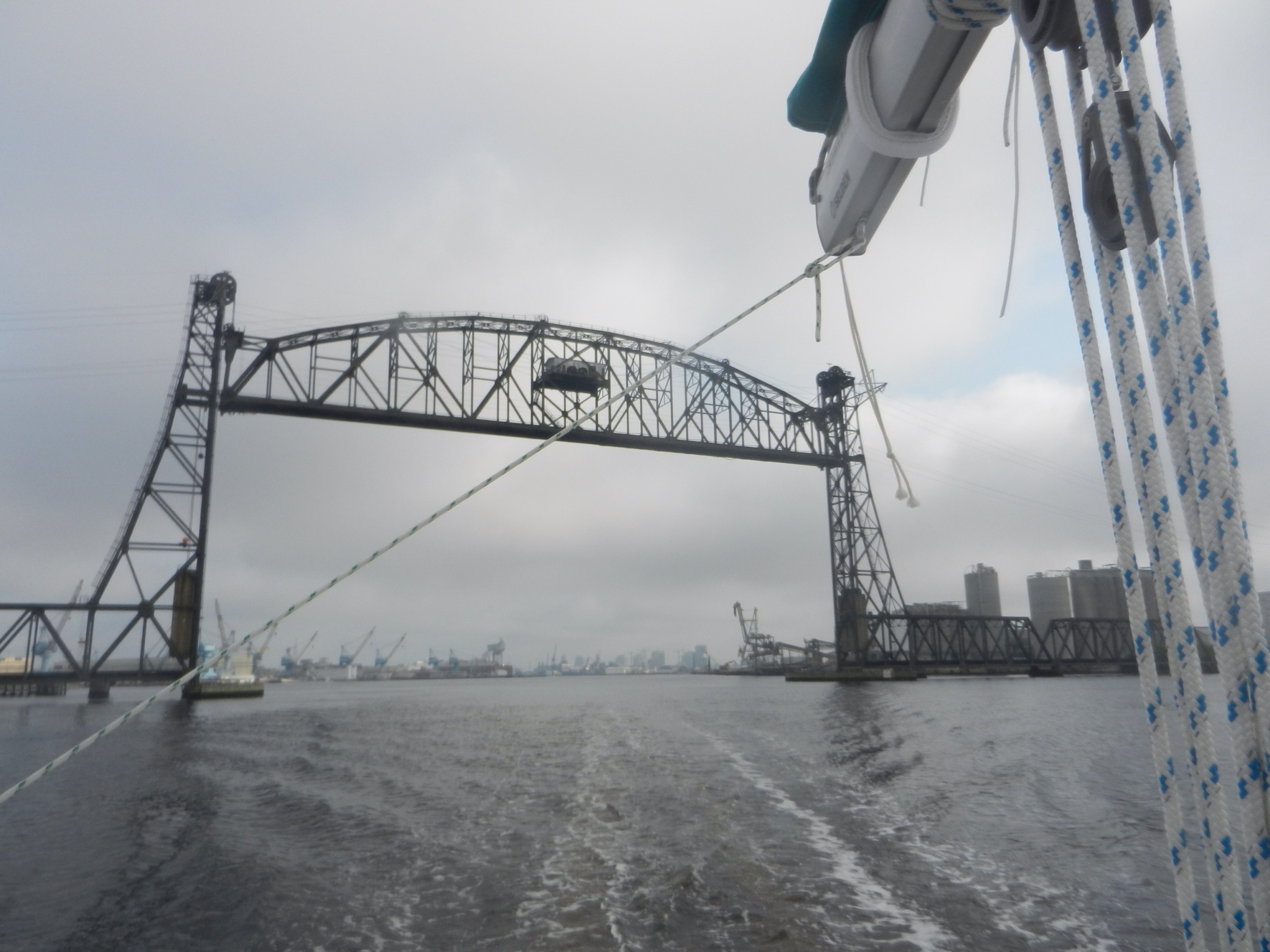
We passed a railroad lift bridge and went under the Jordan Bridge, 147 feet high.

The gold triangles mean we are on the ICW and mark aids to navigation (atons) to be taken as “red.” There are places where channels coming in from the sea (red buoys on right when returning from sea) share the same path as the ICW going south, but in opposite directions. Since The ICW going south is “red right” this creates a problem. The solution they have found is to keep the same colored buoys for the channel coming in from sea (red right return) but to put the little gold triangle which marks a red buoy on the ICW on the green cans so if you are following the ICW south you leave them to starboard as if they were red. Franci and Stephen had never encountered this situation before but Capt. Ralph has traveled this way many, many times. Imagine if you did not know the possibility or failed to look for the gold triangles on the markers to take as red and the gold square on the ones to be treated as green. You would be zigzagging down the channel always correcting course to stay on the wrong side of the markers!

Ralph keeps his charts in a soft sided luggage case made for suits. We will go through 8 or more charts on this journey.

At 8:45 a.m. we came to the Gilberton Bridge. It has only 35 foot clearance so we had to wait for the 9:30 a.m.opening. The timing was perfect as breakfast was just being served. Arlene takes the wheel after she cooks so the fellows can eat. She will eat last. Vey thoughtful.

Along the way we monitored Channel 13 on the VHF. This is the channel all the barges use and it was easy to communicate with all the folks on duty at the bridges and locks long the way. Everyone on the radio is friendly and helpful.

Eventually we began to see private homes and vacation cabins.


Ralph mentioned to us that it is important to wax the boat at least once a year to protect the gel coat. He says wax the exterior and the cockpit and the hull will last forever.

At 10:30 a.m. we arrived at the locks. Arlene put on the fenders and dock lines as we will tie up on the starboard side when we get into the lock. Franci is thrilled to be replacing Stephen as 2nd mate for the next week. He's been getting to do that job since we left Maine. As 2nd mate she will get to help with dock lines and fenders, fill gas tanks, and top off water when we stop at marinas, generally assisting Arlene who is always the best first mate ever. We were hoping to get through in time for the 11 a.m. opening of the Great Great Bridge on the other side. A big barge slowed things down.

Arlene used a sheet bend knot to connect two ropes of dissimilar sizes so the fender could be attached without using the cleat which was difficult to get to.

We waited a long time still hoping to make the 11:00 a.m. opening of the Great Great Bridge on the other side. Finally the lock opened and out came a barge and several big boats.

(To be continued)

Life is good.

Fair winds,

Franci and Stephen


More ICW

Friends,

Today is May19, a Sunday, and we are motoring in the ICW toward Coinjock, North Carolina. Here are some more photos.